
Think about the last time you browsed a fashion brand's website. You probably saw a mix of imagery. Clean product shots showing every detail of a garment, and maybe a styled campaign image that made you want to explore the collection a little further.
Both are important. Both require retouching. But what goes into getting those images ready for the world can look quite different.
That's where the distinction between editorial retouching vs. e-commerce retouching comes in.
One focuses on consistency, accuracy, and efficiency. The other makes more room for creativity, storytelling, and individual attention to detail.
And while the two have more in common than you might think, understanding when to use each approach can make a big difference to your production workflow, your budget, and ultimately, how your brand shows up.
Let's get into it.
What Is E-commerce Retouching?
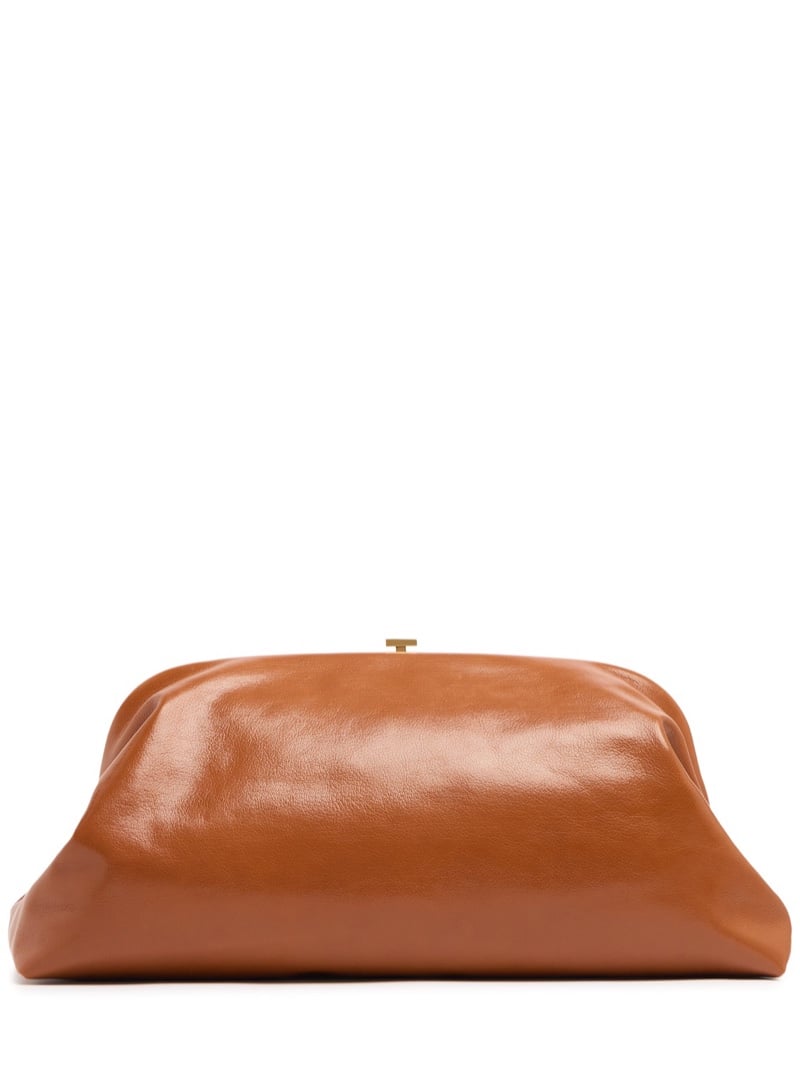
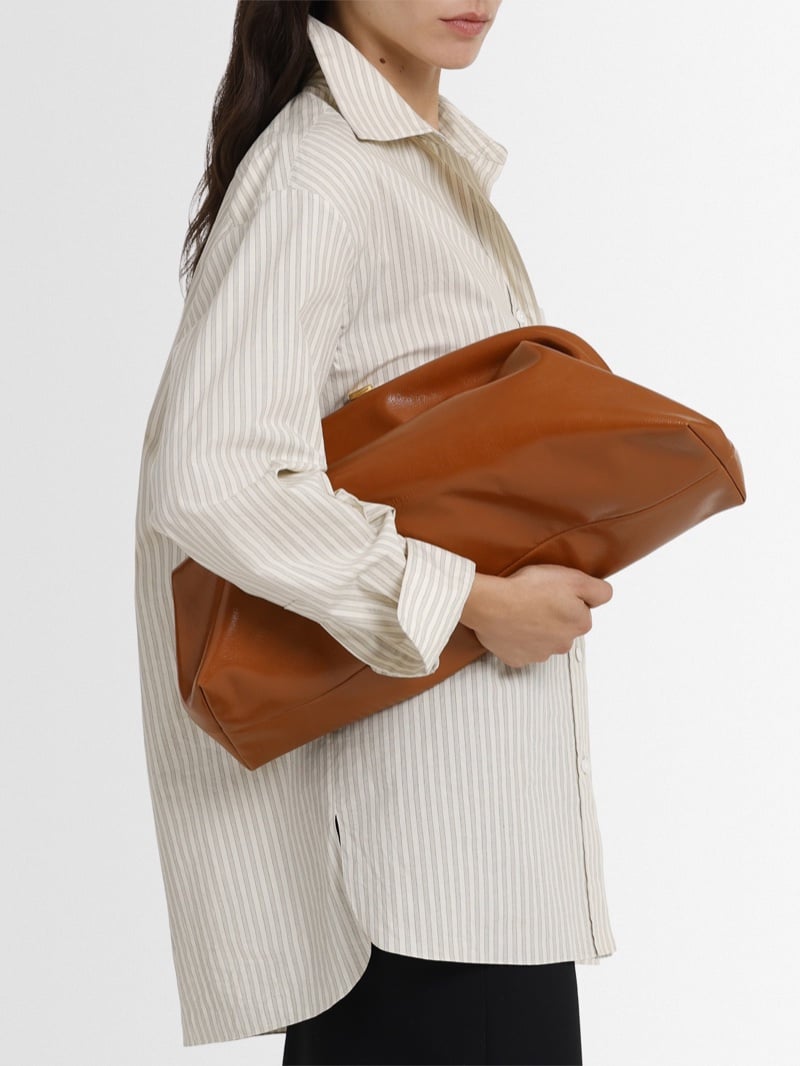
E-commerce retouching is all about making products look their best while ensuring customers know exactly what they're buying.
Imagine scrolling through a product listing where every image has a slightly different crop, background color, or product alignment. It wouldn't take long before things started feeling a little messy.
That's why consistency is such a big part of e-commerce retouching.
Whether a brand is producing hundreds or even in the thousands range, the goal should be to create a cohesive shopping experience where products are presented accurately, and customers can easily understand the product.
Typically, this involves:
- Background removal and cleanup: Creating clean, consistent backgrounds that keep attention on the product.
- Cropping and alignment: Making sure products sit consistently within the frame, regardless of their shape or size.
- Color correction and matching: Keeping colors as accurate as possible so customers know what to expect when their order arrives.
- Garment and product retouching: Removing unwanted wrinkles, dust, or imperfections without misrepresenting the product.
- Shadow creation: Adding or refining natural shadows to give products depth and dimension.
If you're curious about the technical side, our product image retouching glossary breaks down many of these techniques.
Consistency at Scale
One of the biggest differences with e-commerce retouching is the volume.
A fashion brand might need to process thousands of images every season, all while maintaining the same visual standards across categories, collections, and markets.
Manually making every decision for every image wouldn't be particularly efficient.
Instead, e-commerce retouching typically follows a predefined set of specifications or a style guide. This provides clear instructions for everything from background colors and margins to cropping and color standards.
And because many of these decisions are repeatable, parts of the process can be automated.
At Pixelz, our e-commerce retouching workflows combine AI-powered automation with specialist expertise to help brands maintain consistent results at scale.
The idea isn't to make every image identical. It's to make sure every product is presented to the same standard.
What Is Editorial Retouching?
Now, let's move away from the product grid for a moment.
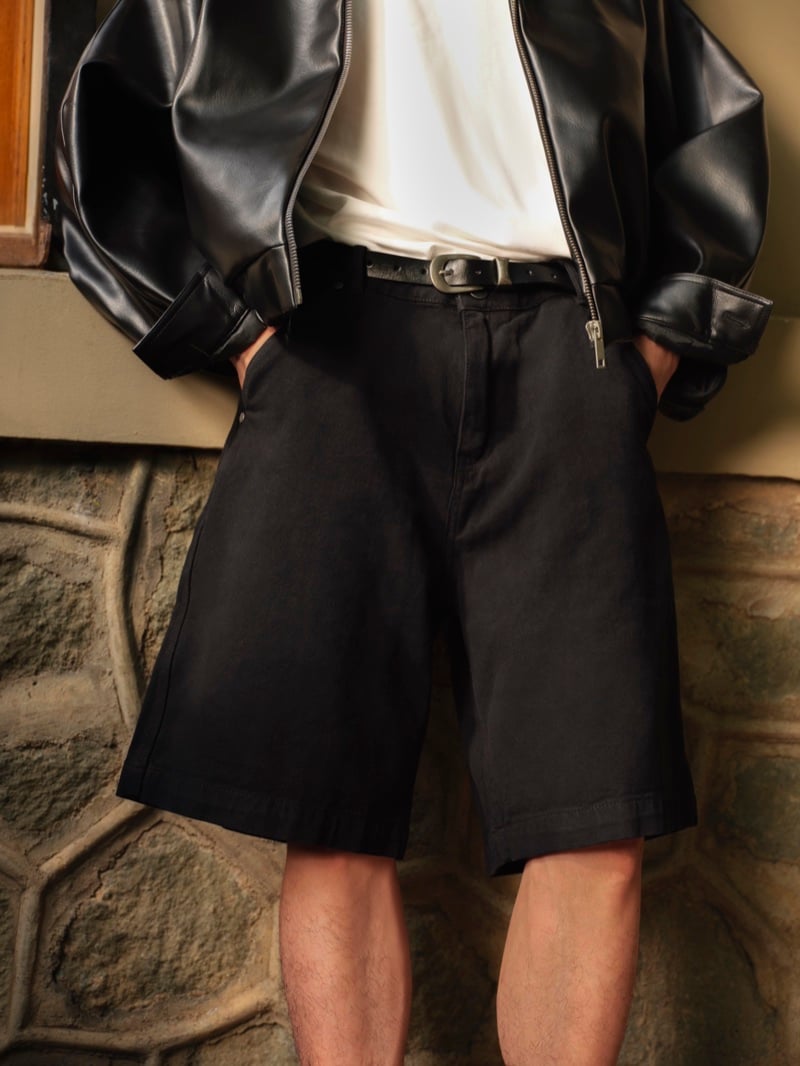
Picture a fashion campaign with dramatic lighting, an unexpected location, and a carefully considered color palette. Maybe the image feels cinematic, nostalgic, or a little surreal.
Every element has been chosen to communicate something about the brand.
And the retouching needs to support that vision.
Editorial retouching is a more creatively driven approach to post-production, typically used for fashion campaigns, advertising, lookbooks, and other imagery where mood and storytelling play a central role.
Rather than applying the same adjustments across hundreds of images, editorial retouching often requires each image to be considered individually.
It might involve:
- Creative color grading: Shaping the overall mood through color, contrast, and tone.
- High-end skin retouching: Refining skin while preserving natural texture and character.
- Compositing: Combining elements from different images to create the intended final composition.
- Background and set cleanup: Removing distractions without losing the atmosphere of the original scene.
- Detailed garment retouching: Refining clothing, textures, and silhouettes while maintaining the creative direction.
- Lighting adjustments: Enhancing highlights, shadows, and overall balance to bring the image together.
Of course, editorial retouching isn't always about making an image look more polished.
Sometimes, it's about knowing what not to change.
A little motion blur, an unusual shadow, or visible skin texture might be exactly what gives an image its personality. Removing those details could take away something that made the photograph interesting in the first place.
That's why creative direction is so important.
An editorial retoucher needs to understand not just how an image should look, but how it should feel.
We explored this further in our article on the 10 elements behind great editorial imagery, including how composition, mood, styling, and even imperfection contribute to a strong visual story.
Editorial Retouching vs. E-commerce Retouching: The Key Differences
So, what does this actually mean for your production process?
While both approaches rely on skilled retouching and attention to detail, the biggest differences usually come down to purpose, volume, and how much creative control is needed.
| E-commerce Retouching | Editorial Retouching | |
|---|---|---|
| Purpose | Present products accurately and consistently to support purchasing decisions | Communicate a creative vision, tell a story, and build brand identity |
| Volume | Typically high-volume, from hundreds to thousands of images | Generally smaller selections of individually treated images |
| Turnaround | Built around predictable, repeatable production deadlines | Often more variable depending on complexity and revisions |
| How it's briefed | Style guides, predefined specifications, and reference images | Creative briefs, mood boards, detailed references, and art direction |
| Who approves it | E-commerce, studio production, or content operations teams | Creative directors, art directors, campaign teams, or brand stakeholders |
| Pricing model | Commonly standardized per-image pricing, sometimes with volume-based rates | Often custom pricing based on image complexity and creative requirements |
| Where images are used | Product detail pages (PDPs), marketplaces, and online catalogs | Campaigns, advertising, lookbooks, social media, and brand storytelling |
These aren't strict rules, of course.
Some e-commerce images require extensive manual retouching, and some editorial projects involve hundreds of images.
But the distinction is useful when planning production.
If you're processing 5,000 product images, you probably don't want every crop and background to become a separate creative conversation.
Equally, if you're retouching the hero image for a major campaign, you probably don't want to treat it like the next image in a product catalog.
It's about matching the process to the purpose.
Where the Line Between Editorial and E-commerce Retouching Blurs
Here's where things get interesting.
For a long time, the distinction between editorial and e-commerce imagery was fairly straightforward.
Product images belonged on product pages. Campaign images lived in advertisements, lookbooks, and other brand communications.
But that's no longer quite how content works.
Brands are creating more visual content across more channels, and the same image might need to work in several different places.
That creates a growing middle ground between editorial creativity and e-commerce efficiency.
1. The Rise of Elevated Product Images
Not every product image needs a white background and a perfectly centered pose anymore.
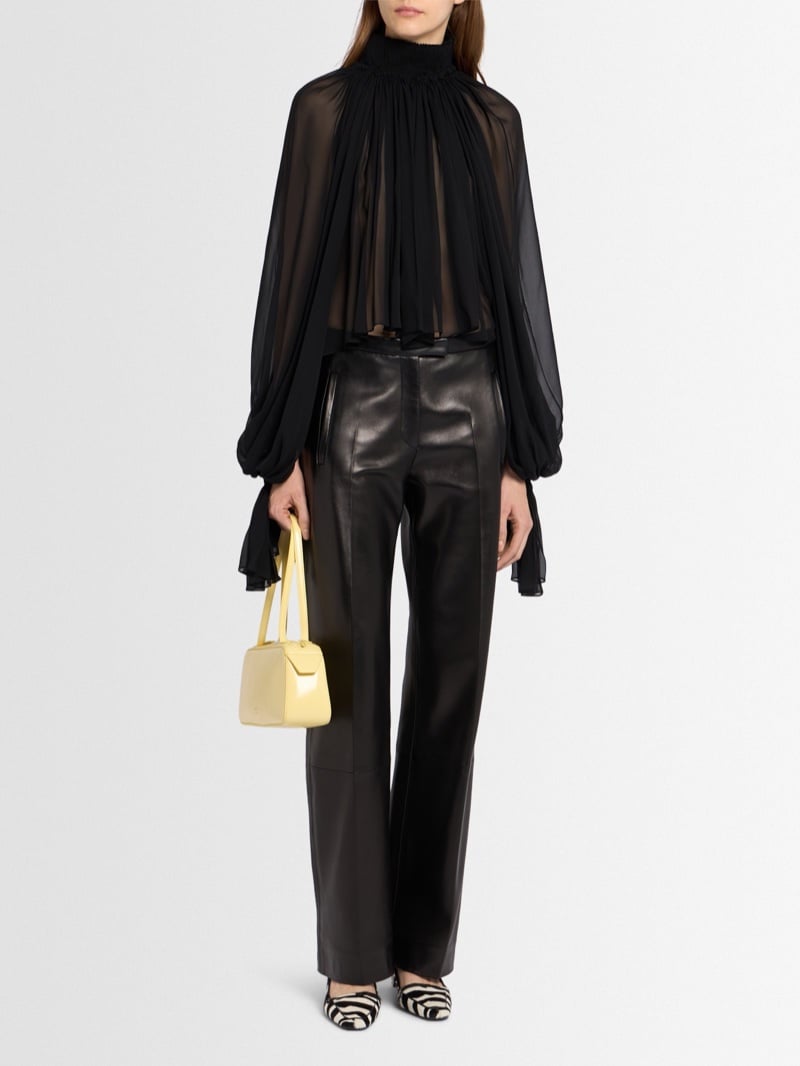
Brands are increasingly experimenting with colored backgrounds, props, unconventional compositions, and more expressive styling on their product pages.
The product is still the focus, but there's a little more personality involved.
We call these elevated product images.
They sit somewhere between traditional e-commerce photography and editorial imagery, combining product clarity with a stronger sense of brand identity.
And naturally, the retouching needs to reflect that balance.
You might still need consistent color, accurate product details, and defined specifications, but there may also be more room for creative lighting, selective cleanup, and individual adjustments.
For a closer look at this approach, check out our article on how brands are moving toward elevated product images.
2. Campaign Images Are Being Used Everywhere
A campaign image might start out as a homepage hero.
Then it gets adapted for Instagram, used in a paid advertisement, included in an email campaign, and perhaps even added to a product detail page.
Suddenly, one image needs to serve several purposes.
And each placement can come with different technical and creative requirements.
A dramatic crop might work beautifully in a campaign, but it may need adjusting for a PDP where customers want to see more of the product.
Likewise, a particular color grade might look fantastic in a brand campaign but need some refinement when shown alongside more color-accurate product imagery.
This doesn't necessarily mean producing completely different images for every channel.
It does mean thinking about how the assets will be used before the retouching process begins.
3. AI-Generated Imagery Needs Finishing, Too
And then there's AI.
Generative AI has introduced new ways to create everything from product imagery and backgrounds to fully developed campaign visuals.
But generating an image and having a finished, production-ready asset aren't necessarily the same thing.
AI-generated imagery can still require detailed post-production work to address inconsistent lighting, unnatural shadows, inaccurate textures, product details, or elements that don't quite fit the brand's visual identity.
For more creative AI campaigns, the finished work can look remarkably similar to editorial retouching.
An AI-generated fashion scene might need careful color grading, skin and garment refinement, compositing, and creative adjustments before it feels like part of a cohesive campaign.
At the same time, AI-generated product images may need more standardized corrections to make sure they meet a brand's e-commerce requirements.
The technology used to create the image doesn't automatically determine the type of retouching it needs.
The intended result does.
How to Decide Which Type of Retouching You Need
So, editorial or e-commerce?
Before sending your images into post-production, it helps to ask a few questions.
1. How many images are you producing?
If you're working with thousands of images that need consistent treatment, an e-commerce retouching workflow is likely the more practical option.
If you're working with a smaller selection of highly creative assets, editorial retouching may give you the flexibility you need.
2. What's your deadline?
Both types of retouching can work with demanding production schedules, but the workflows are different.
E-commerce retouching is typically designed for predictable turnaround times and regular image volumes. Editorial work may require more room for creative feedback, detailed adjustments, and approval rounds.
Think about how many decisions need to be made along the way.
3. Where will the images be used?
If the primary destination is a product detail page or online marketplace, product accuracy and consistency should be high priorities.
If the images are intended for a campaign, lookbook, or brand storytelling, the creative direction may take the lead.
And if they're going to be used across both? You may need a combination of approaches.
4. How much creative control do you need?
This is perhaps the most important question. Can the desired result be clearly defined through a style guide and applied repeatedly? Or does each image require individual creative judgment?
Neither approach is necessarily better. They just solve different problems.
And choosing the right one from the beginning can help avoid unnecessary revisions, additional costs, and production bottlenecks later on.
Two Different Approaches, One Brand
At the end of the day, editorial retouching and e-commerce retouching aren't competing approaches.
They're two ways of supporting different parts of a brand's visual identity.
E-commerce retouching gives customers the clarity and consistency they need to shop with confidence. Editorial retouching gives brands room to express themselves, tell stories, and create imagery that people remember.
And increasingly, brands need both.
The challenge is finding a post-production process that supports high-volume efficiency without limiting creativity, especially as the lines between product, campaign, and AI-generated content continue to blur.
At Pixelz, we work across both sides of that process, from scalable e-commerce retouching to high-end editorial and campaign post-production.
Because whether you're creating thousands of product images or perfecting one campaign hero, the goal is the same: getting the image right for what it's meant to do.
Want to explore what that could look like for your next campaign?