
This FLOW’s personality came largely from the venue. Like so many London buildings, it’s steeped in history, both London history and photography history. From the stables where elephants were housed during the war, to the original William Morris tiles, to the studio alcove where the Rolling Stones once stood, it felt like the perfect setting for a FLOW that looked back on the past year while looking firmly ahead.
But let’s back up a minute, because we actually kicked things off on Monday evening with a Welcome Party co-hosted by CVP. It was meant to be a casual evening of fresh-baked pizza. As it turns out, if you give this industry a creative task, they will go all in. We asked groups to find something they all had in common, as long as it was more creative than “we all work in e-commerce.” And boy, did they deliver. We learned some genuinely fun and surprising facts about one another, and I think everyone left with a few new friends.
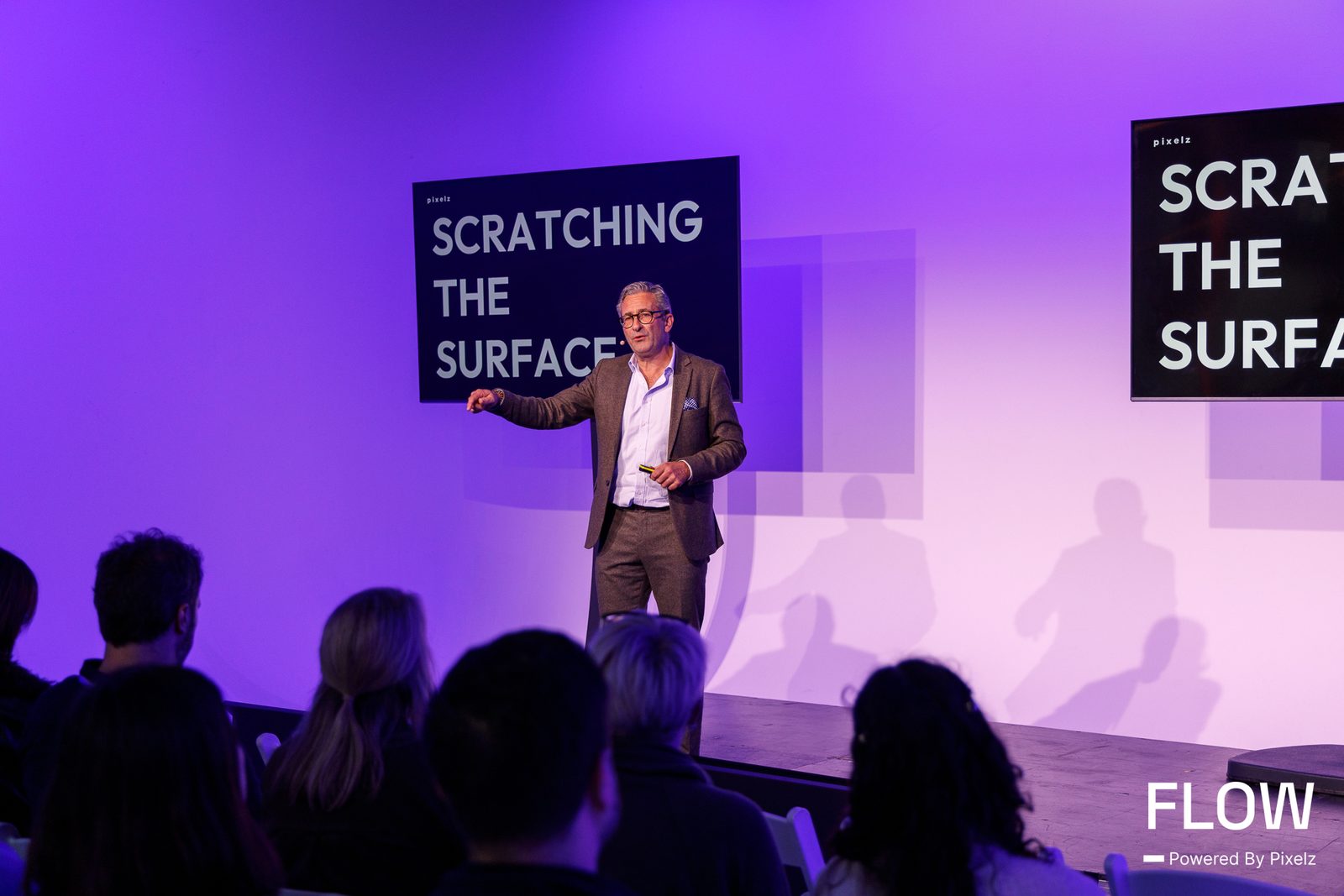
As fab as the Welcome Party was, Tuesday was the big day, and of course AI was on the agenda. Thomas opened by taking us on a walk down memory lane through past FLOWs, a look back at how quickly our conversations about AI have changed. In just three years, we’ve gone from talking about it tentatively to nearly everyone in the room using it in some form. But Thomas argued that’s not enough. Too many teams are still stuck in an experimental phase, using AI without publishing much of anything. It’s time to find your point of view and make real decisions about what you will and won’t do with AI.
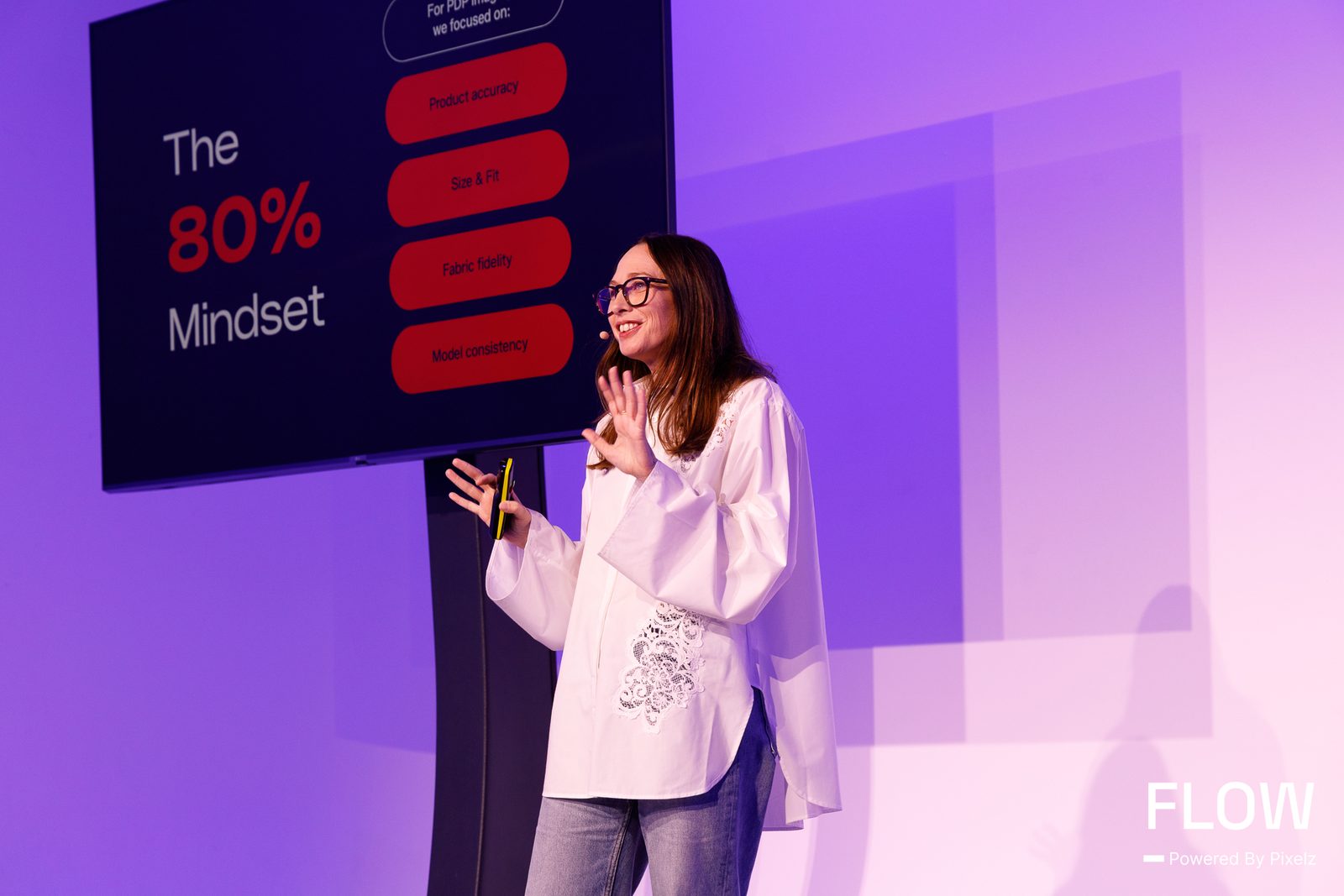
Fiona from Zalando picked up that thread with two ideas that go hand in hand: embracing the 80% mindset, and battling perfectionism. To really use AI, she said, you need a new target. Can AI get your images to 80%? And can you accept that, even when your creative instincts push back? Maybe the pose isn’t exactly what you pictured, but the rest of the image works.
She also made the point that quality isn’t the only measure. What if the image is good enough for your customer, because AI lets you show them the product and the context around it? Using the example of a handbag, she showed how AI imagery can help customers understand its size, and Zalando has seen no meaningful drop in customer engagement. Her message was simple: you have to “move ahead to learn.” For me, that was the mic-drop moment of the day.
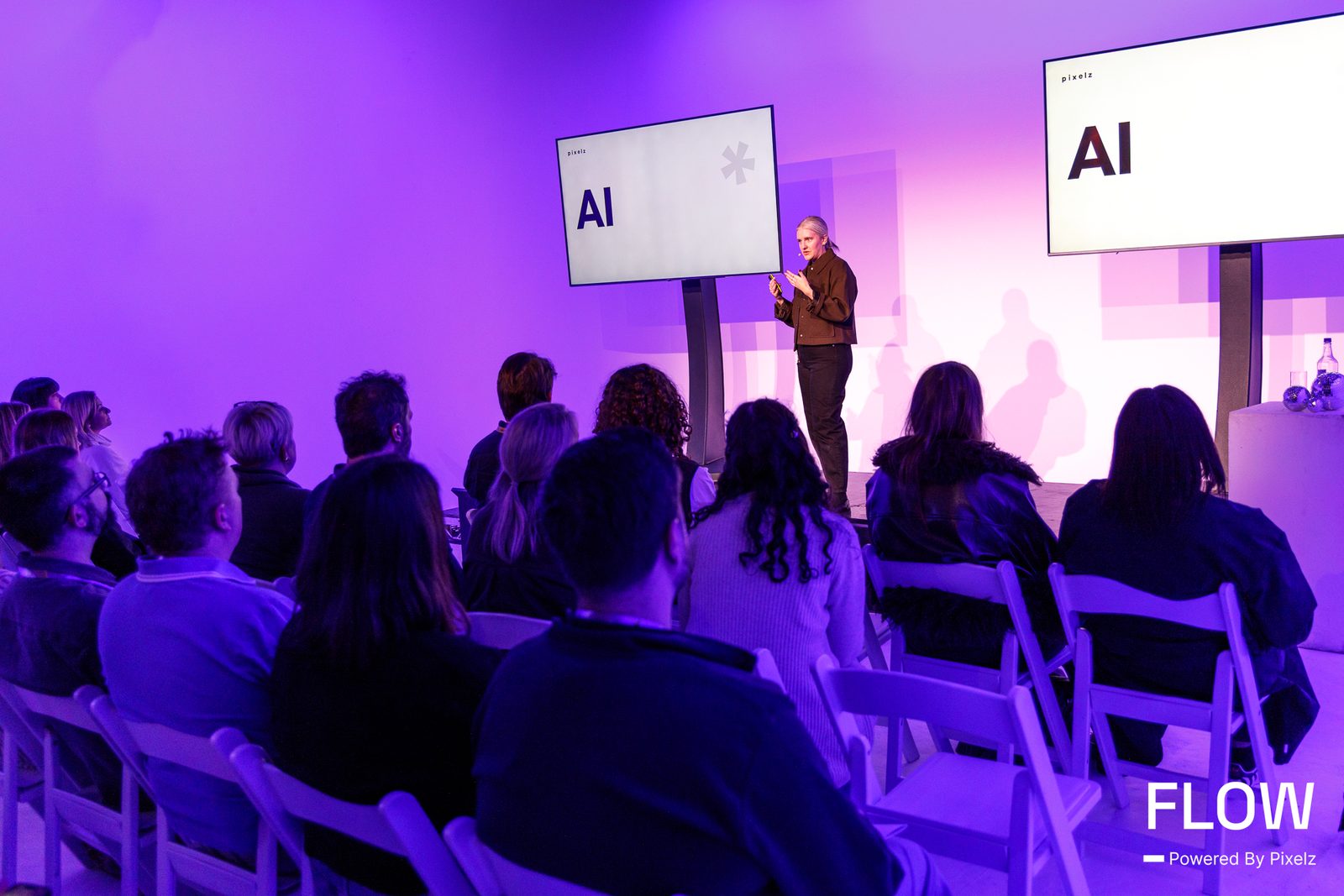
After some mixing and mingling over coffee, Kevin took the stage to run the Pixelz AI Lab. Dare we say it was his best one yet? Kevin did a great job, and it helps that our AI workflows and platform keep getting better. He walked through Pixelz’s AI generation offering with a focus on how much it can be customized, from Pixelz handling the styling, generation, and review, to customers doing it all themselves, to anything in between. He then wrapped up with a live demo, turning packshots into on-model images.
From there, the room split into two parallel workshops.
Capture One looked at the next generation of production tools and how different technologies can work together across the image pipeline. Adopting AI doesn’t mean replacing everything you already use. It’s about making your existing tools, teams and processes work better together.
Creative Force took a hands-on approach with a live AI prototyping session. Starting from an everyday studio challenge, the group explored how AI-assisted development can turn an idea into a working prototype in under an hour. Using a studio planning wallboard as the starting point, attendees suggested features, prioritized ideas, and watched a potential solution come together in real time.
Back together after the workshops, it was my turn, which makes this part a little tricky to write! I presented the Pixelz E-commerce Visual Trends report, starting with how it was put together before diving into three trends for 2027:
- Authenticity is being redefined. The markers of authentic content are changing. Brands are leaning into “handmade” and making sure the brand itself, not just the content, feels unmistakably human.
- Brands are becoming entertainers. More brands are investing in entertaining media like long-form content, and the PDP needs to carry the visual cues from that content.
- The old formulas are breaking. As brands try to give shoppers all the media they need and want, the usual playbook for category and product pages no longer holds up.
If you’d like to dig into the data behind these trends, you can view the full report here.
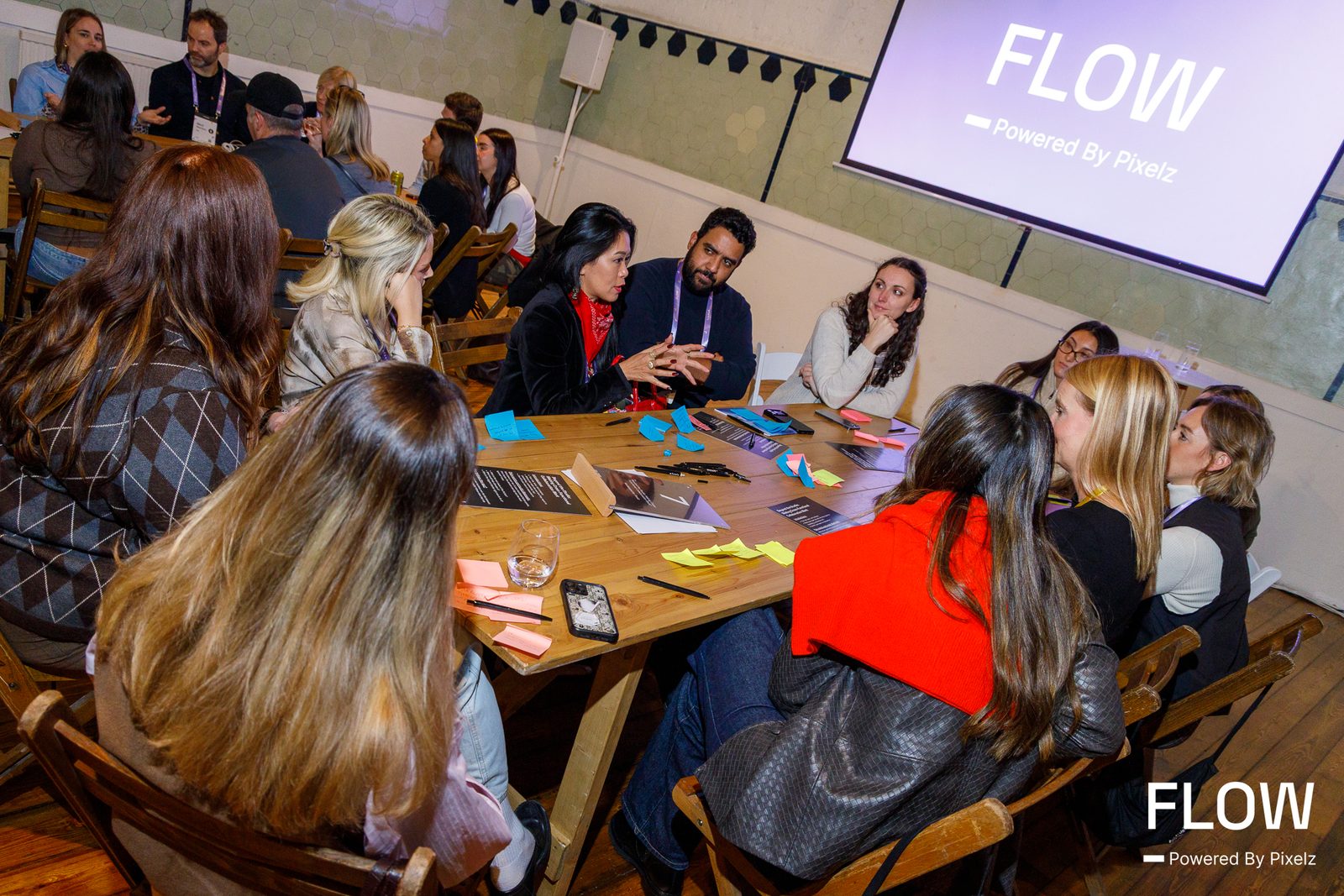
We closed the day with roundtables, where attendees broke into smaller groups to dig into the topics on everyone’s minds. Here’s a quick synopsis and a little insight from some of the Pixelz team members who were lucky enough to join these roundtables:
Models, AI & Digital Twins with Laura Winson
Most of the table agreed synthetic models will soon be common in e-commerce, but some grey areas need solving first. These range from protecting the work of real models, stylists, and makeup artists to whether rights to a digital twin should last forever. Labeling is still the Wild West, and AI imagery of children remains a sensitive area.
Beyond the Studio: Making Cross-Functional Collaboration Work
Sample management was easily the biggest shared pain point, and every brand at the table was feeling it. The group’s practical tip was to use a workflow tool that integrates with Pixelz, so samples, shoots, and handoffs stay connected across teams.
Let’s Talk About AI
The discussion covered everything from ethics to reskilling. One take stood out: generative AI may mean fewer entry-level roles, which makes it harder for new photographers to learn the ropes. But great AI content needs experienced photographers, so instead of fewer jobs, experienced talent could end up in high demand.
AI Implementation in Practice with Kimberley Zondag
This table looked at AI workflows already in use, not just in theory. Fit and fabric came up as common challenges, since getting garments to look true to life is still a sticking point. And an important conversation about people: how team structures and roles are being reshaped, and how to keep everyone on board through the change.
Beyond the Hype: Navigating Customer Skepticism, Economic Impact, and the Hidden Limits of GenAI on the PDP with Anouk Denoyelle and Alessandra Di Ronza
Quality was the biggest barrier to adoption. The group agreed that giving up some quality is today’s reality, which is a tough pill for creative leaders. The practical tip was to A/B test everything so conversations with executives are grounded in data. The takeaway: the industry is still adjusting, but this change is here to stay.
Art Direction and Styling in the AI Era with Cristina Calvet
Everyone agreed that AI content needs the experience of art directors and stylists. Giving someone an expensive camera doesn’t guarantee great photos, or as one attendee put it, “A beautiful image isn’t always the right image.” The open question was how the next generation will gain that experience, and no one had a firm answer yet.
What, Why, and How to Capture Before You Automate and Scale Your Creative Workflow with Eve Meskauskaite
Even in the age of AI, there’s still plenty of room to optimize creative workflows. Eve gave a masterclass in building efficiency without sacrificing creativity. The big takeaway: the right tools are usually already in place, and the real magic is learning how to unlock their full potential.
Studio Leadership: Navigating the Balance of Heritage vs. Modernization with Thea Ellis
Heritage and luxury brands are taking a split approach to AI. Several are using more AI-generated imagery for B2B, but they’re sticking with traditional photography for B2C, where brand authenticity and visual consistency come first.
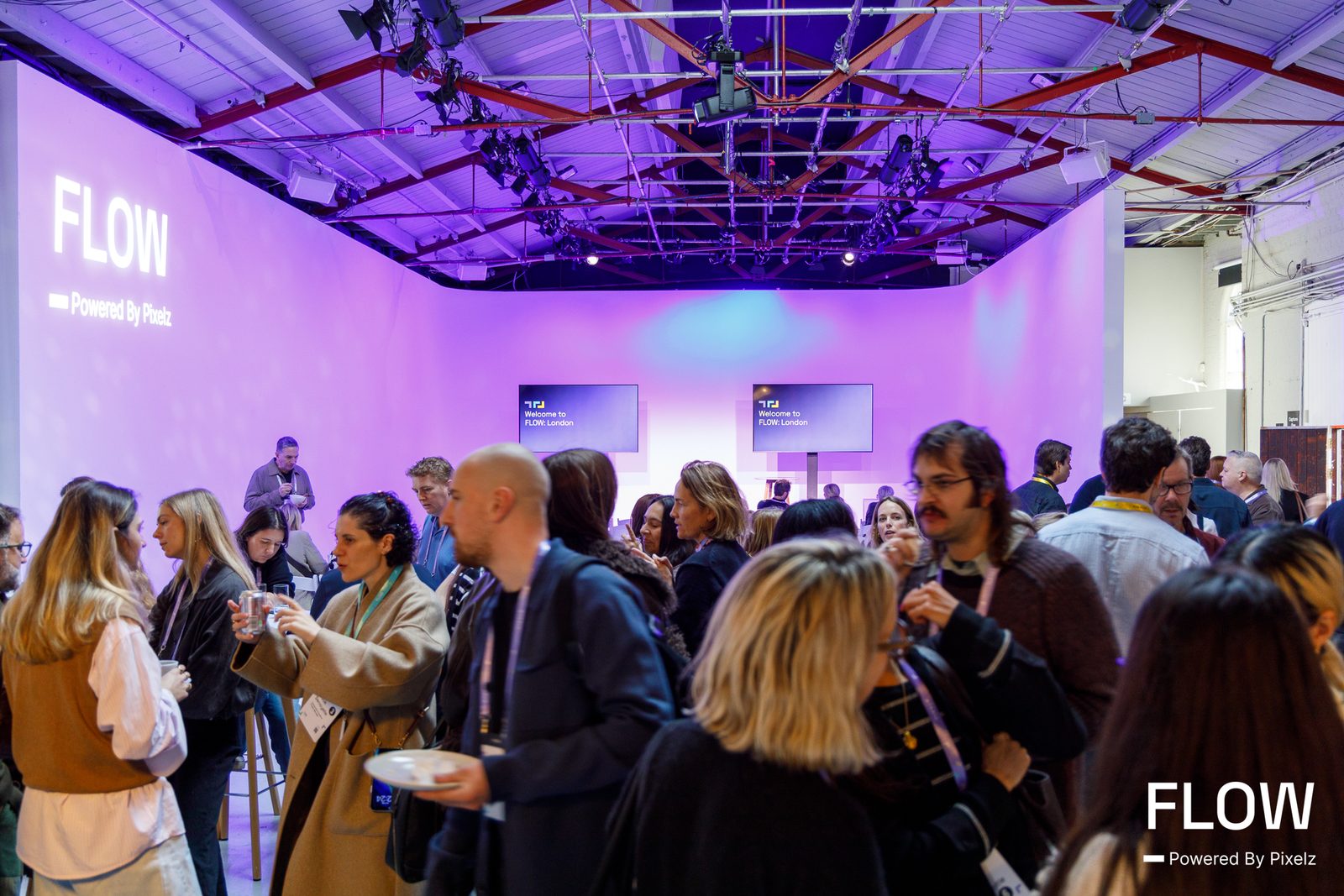
It was quite the way to end 2026. The room felt at ease. Not that it ever isn’t, but it felt like we’ve all settled into this new world of AI. We still talk about AI, just not the way we used to. It has become a natural part of our everyday work, which left more room for what FLOW does best: making new connections and catching up with familiar faces.
Cheers to the FLOW 2026 season, and we’ll see you in 2027!