
If you've been exploring AI-generated fashion models, you've probably noticed something frustrating: everyone seems to have their own terminology.
And honestly, that's okay. AI is evolving quickly, and with a little context, it's usually possible to figure out what someone means. But when you're comparing platforms or trying to understand your options, all of the different names can get confusing.
So we decided to compile the most common terms we've come across and explain what they actually mean. More importantly, we'll help you understand the two concepts that sit behind almost all of them and which might be the better fit for your brand.
While there isn't one universal industry standard yet, most AI-generated people fall into two broad categories: Synthetic Models and Digital Twins.
Once you understand those two concepts, almost every other term starts to make sense.
| Digital Twins | Synthetic Models | |
|---|---|---|
| Also called... | Digital Replica, AI Twin, Virtual Twin | AI Model, AI Fashion Model, Virtual Model, AI-generated Model |
| Based on | A real person | A completely AI-generated person |
| Identity | Existing likeness | Entirely fictional identity |
| Permissions | Requires contracts, licensing, and usage rights | No real person's likeness is used (when created responsibly) |
| Best for | Brand ambassadors, influencers, athletes, recurring models, scaling content | Scalable e-commerce production, experimentation, and supplier imagery |
| Great for... | Extending campaigns, refreshing content, and long-term branding | Testing demographics, launching new collections, creating content at scale |
| Key advantage | Consistency and recognizable identity | Flexibility, creative freedom, and scalability |
Digital Twins (also called AI Twins, Digital Replicas, Virtual Twins, or Digital Humans*)
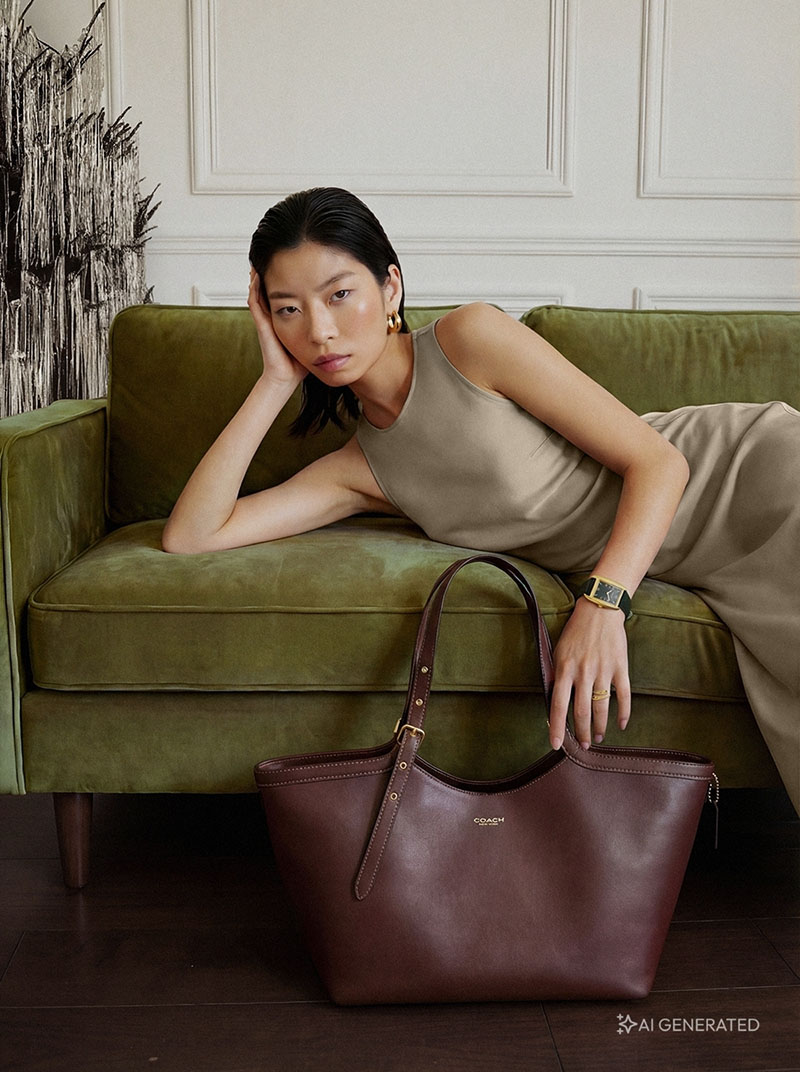
Digital Twins are exactly what they sound like: a digital version (or twin, if you will) of a real person.
That person could be a professional model, an influencer, an athlete, a brand ambassador, or anyone else your brand wants to work with. Once their Digital Twin has been created, AI can generate entirely new imagery featuring that same person; whether that's new poses, different locations, lifestyle scenes, PDPs, or even future campaigns.
For brands, the biggest benefit is consistency. If you've found someone who reps your brand well, a Digital Twin allows you to keep working with that same recognizable face across seasons, channels, and campaigns without needing to capture every image in a traditional photoshoot.
Because a Digital Twin is based on a real person, it's important to have the right agreements in place. Just like any model partnership, you'll want to define things like usage rights, licensing, campaign duration, compensation, and royalties before creating new content.
At Pixelz, brands can create Digital Twins using models from our partner agencies or from someone they already work with. Whether that's a long-term model, an influencer, a professional athlete, or another familiar face, the technology is designed to extend the partnerships you already have.
When are Digital Twins a good fit?
- Extending photoshoots. Generate new PDP, lifestyle, and campaign imagery without organizing another shoot.
- Maximizing partnerships. Create more content with the models, influencers, or brand ambassadors you already work with.
- Building brand consistency. Keep the same recognizable face across your website, social media, and marketing campaigns.
- Scaling across markets. Adapt backgrounds, styling, or campaigns for different regions while maintaining a consistent identity.
- Refreshing content year-round. Create seasonal or campaign-specific imagery without starting from scratch.
- Making the most of high-profile talent. Extend content featuring athletes, celebrities, or creators without requiring them to be on set for every campaign.
Synthetic Models (also called AI Models, AI Fashion Models, or Virtual Models)
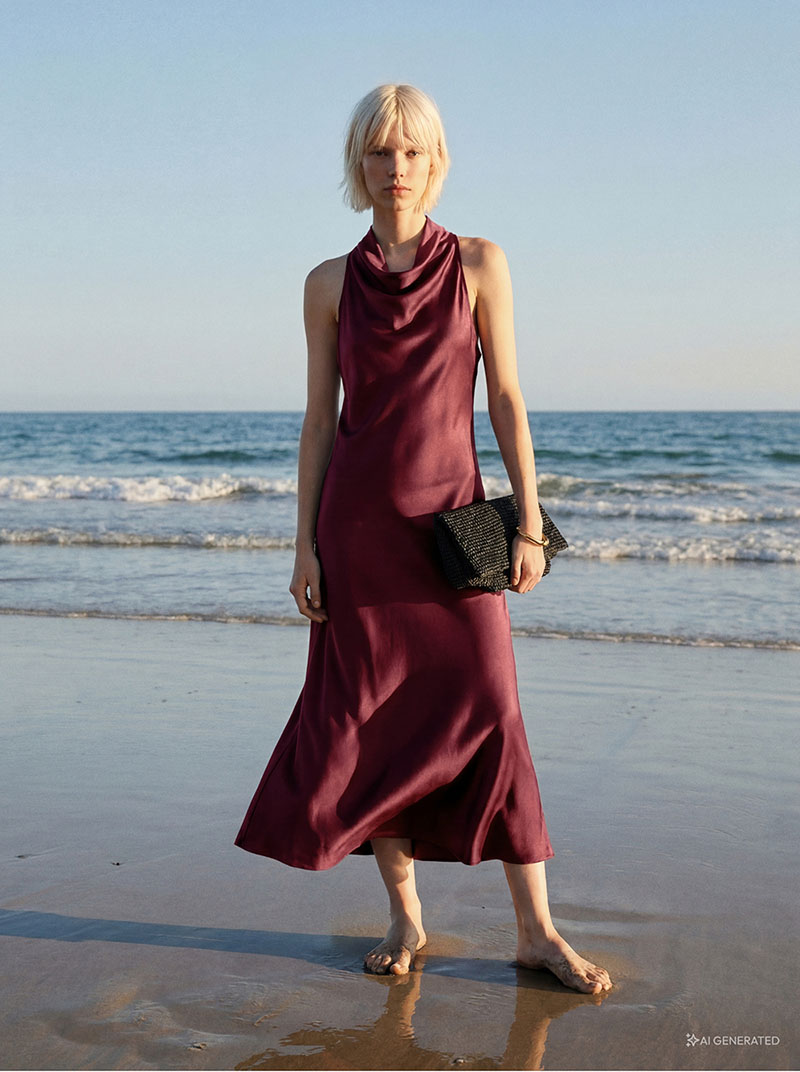
If you've come across terms like synthetic models, AI models, AI fashion models, or virtual models, they're usually referring to the same thing: a fashion model that has been created entirely by AI.
Unlike a Digital Twin, a synthetic model isn't based on a real person's identity or likeness. Instead, it's a completely fictional person generated by AI. Depending on the platform, these models may be created from text prompts or selected from a curated library of pre-generated models designed for commercial use.
Once a model has been created, it can appear in different outfits, poses, lighting conditions, and environments while maintaining a consistent identity across images. That consistency is what makes AI models practical for everything from product detail pages to larger-scale e-commerce content production.
When are Synthetic Models a good fit?
We thought you'd never ask...
The answer is... a lot of situations, actually.
One of the biggest advantages of synthetic models is that they aren't tied to a real person's identity. That means there are no traditional model bookings, scheduling logistics, or ongoing likeness agreements to manage. Instead, brands have much more freedom to experiment, create content quickly, and adapt to changing business needs, which is a pretty great thing.
Want to test different demographics? Launch into a new market? Try out a completely different creative direction? Synthetic models make all of that much easier.
There is one important thing to keep in mind, though.
Just because a model is AI-generated doesn't mean you can generate any face you want. A synthetic model should be exactly that — synthetic. It shouldn't resemble a real person. As AI-generated imagery has become more common, several brands have faced legal challenges and public criticism for not doing their due diligence when creating AI-generated people.
That's why, whether you're creating synthetic models yourself or working with an AI partner, it's important to ensure the models you're using are genuinely original and don't unintentionally recreate someone's likeness.
At Pixelz, we've taken that responsibility seriously. Brands can choose from a curated library of vetted synthetic models or work with us to create custom, brand-specific synthetic models that are designed specifically for their business.
Synthetic models are often a great fit if you're looking to:
- Experiment with different demographics, body types, or aesthetics.
- Create product imagery at scale across hundreds or thousands of SKUs.
- Test creative concepts before investing in a full photoshoot.
- Launch new products quickly without coordinating model shoots.
- Standardize supplier or vendor imagery to a single, consistent brand look.
- Reduce the production time and complexity of creating on-model content.
Our last words...
If there's one thing to take away from this article, it's this: don't get too caught up in the terminology.
The names might change, but the underlying concepts are much simpler than they first appear. Once you know the difference between Digital Twins and synthetic models, you'll be in a much better position to compare platforms, ask the right questions, and decide what makes sense for your brand.
And if you're still not sure which approach is the right fit, that's where we come in. At Pixelz, we work with brands using both Digital Twins and synthetic models every day, helping them build AI workflows that produce consistent, production-ready imagery without sacrificing quality.