
And it does but only once you step back.
A few days later, after you’ve had time to sleep and process, you start connecting the dots. You see the scale of it. The number of conversations. The energy in the rooms. And most importantly, the people who made the whole thing feel collaborative rather than just informative.
The tone of the day was set early on by Thomas Ladefoged, who brought everything back to a simple idea: technology only matters if it works for people.
That theme showed up in different ways throughout the day, especially in conversations around AI. Not in a hype-driven way, but in a more grounded, “this is what it actually looks like in practice” kind of way.
Kevin Mason’s keynote is a good example of that. His perspective wasn’t extreme in either direction—he’s not blindly optimistic about AI, but he’s also not resistant to it. Instead, he sits in that middle space where most teams actually are: trying to figure out how to use these tools responsibly, while still meeting business expectations.
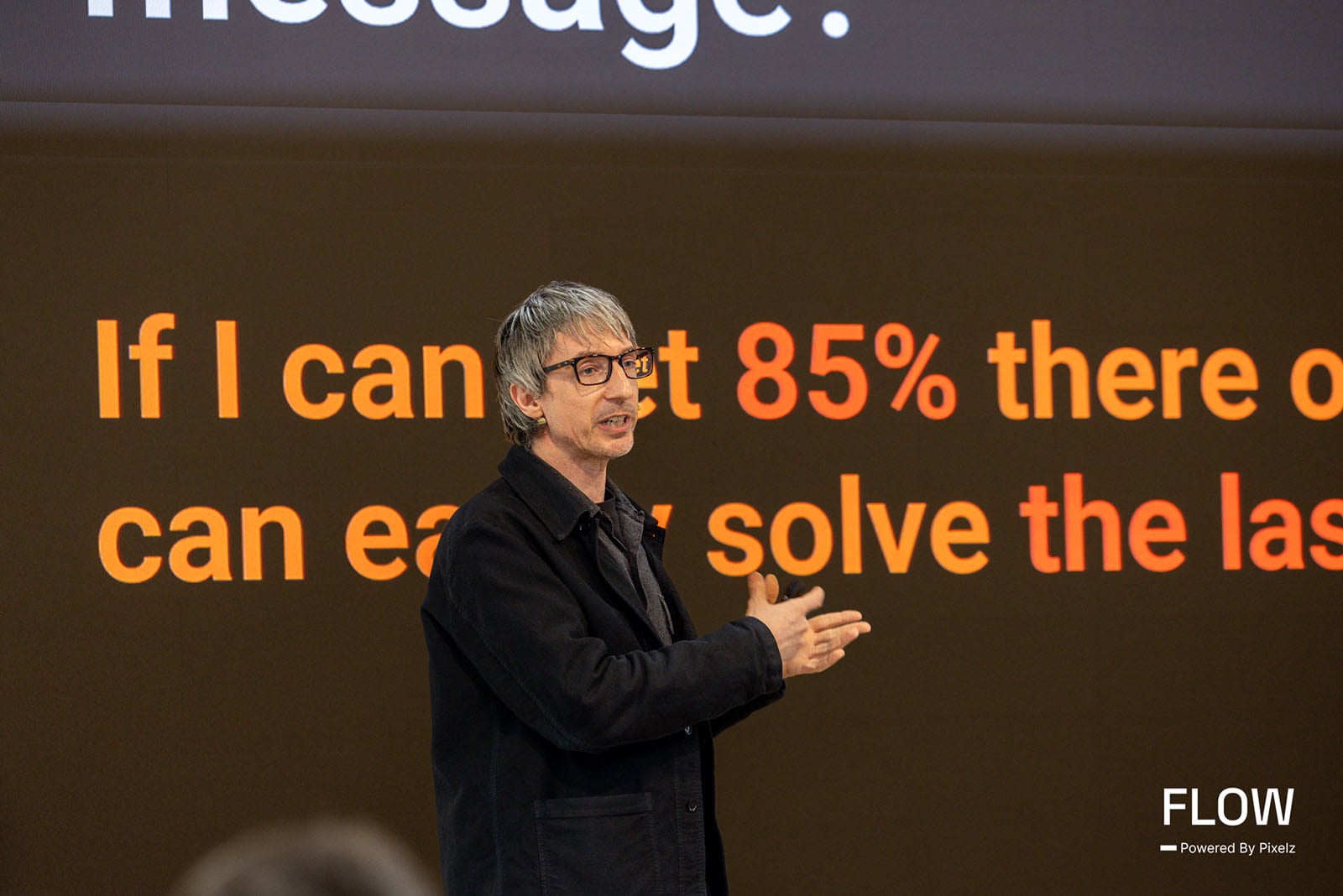
One thing he highlighted that stuck with a lot of people was how expectations are shifting from the top down. With AI in the picture, there’s increasing pressure to produce more, faster, and at lower cost.
But that introduces a side effect that’s easy to overlook. When content becomes easier to generate, consistency alone stops being a strong signal of quality. Two outputs can look the same on the surface, even if one was created with intention and the other wasn’t.
That’s where a lot of the conversation started to move—from creation to curation. From making content to refining it. Some people even referred to it as a kind of “curation tax”—the time that hasn’t disappeared, just shifted.
That idea connected nicely into the Pixelz case study session, where Javier de Bona and Michael Zubcic shared how they approach production and post-production in very different environments.
Javier talked a lot about structure. Things like defining clear specifications upfront—what he referred to as “frozen specs”—so that formats, lengths, and deliverables are decided early. That way, scaling doesn’t turn into constant rework or decision-making during execution. He also emphasized something that sounds basic but ends up being critical at scale: organization. Having clean file structures, consistent references, and clear visual direction (mood, tone, color) helps keep teams aligned, especially when multiple people are involved across a workflow.
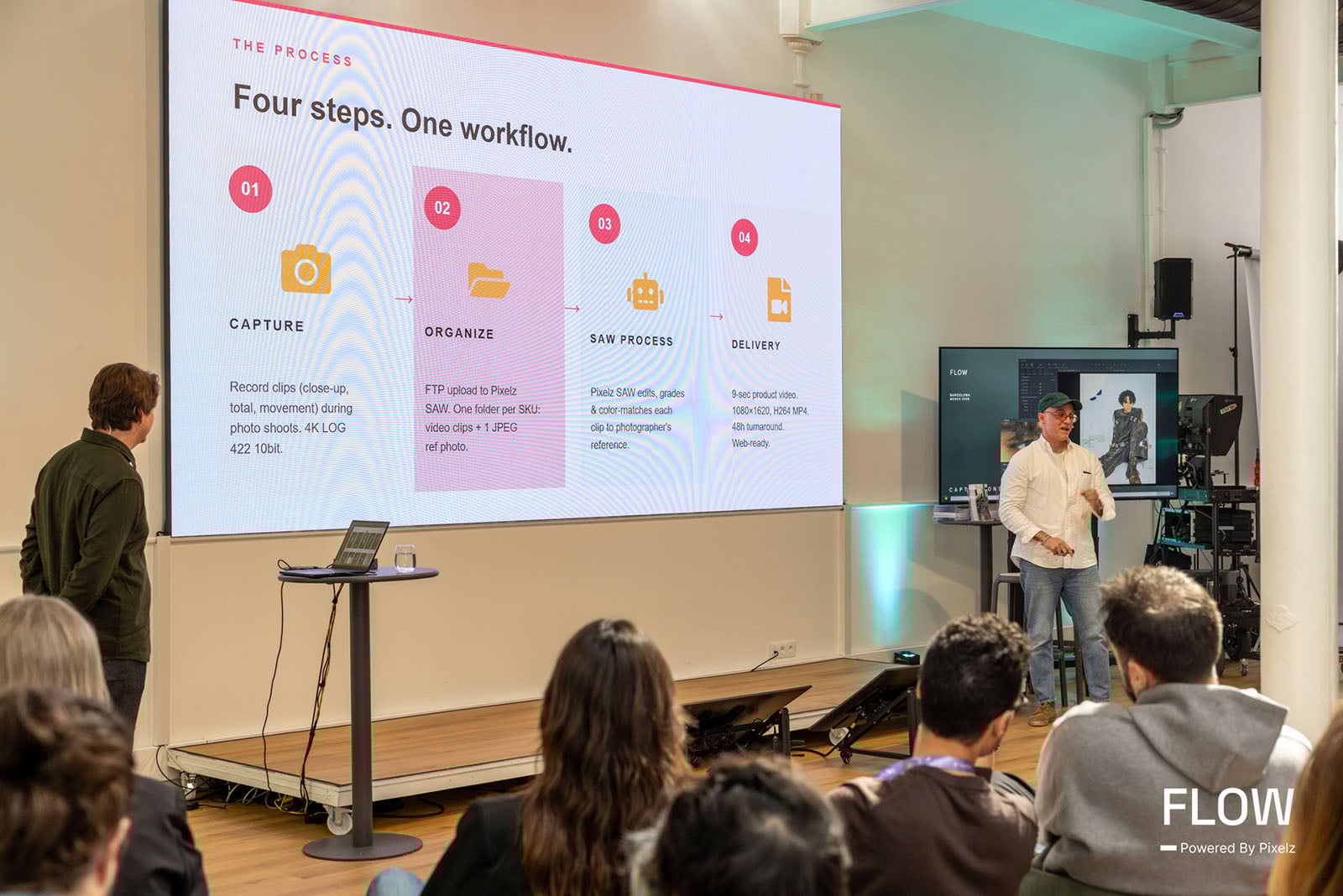
Michael’s perspective was slightly different but complemented that well. He described how, for many modern brands, the bottleneck has shifted away from capture and into post-production.
His workflow is more hybrid. Capture happens in-house or with partners, internal teams handle the creative direction, and external partners support the more technical post-production work. That separation allows brands to scale output without losing control over the creative decisions.
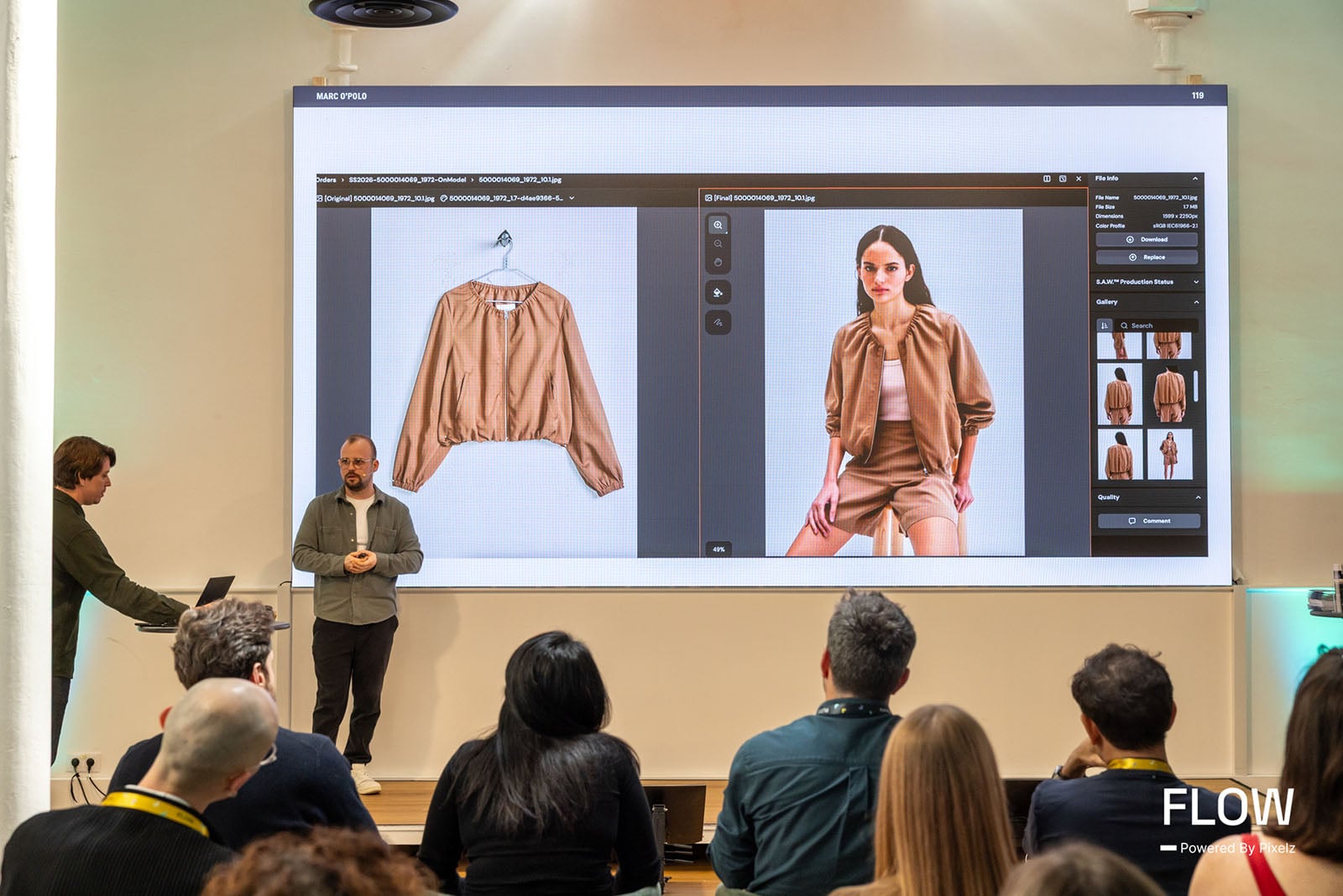
But it also surfaces a common challenge: consistency, especially when it comes to color across large volumes of assets. And that’s where a shared principle came up again—automation only works if it’s reliable. If the system isn’t consistent, scaling it just makes inconsistencies more visible.
Some of the more practical, “see it in action” moments came from the workshops.
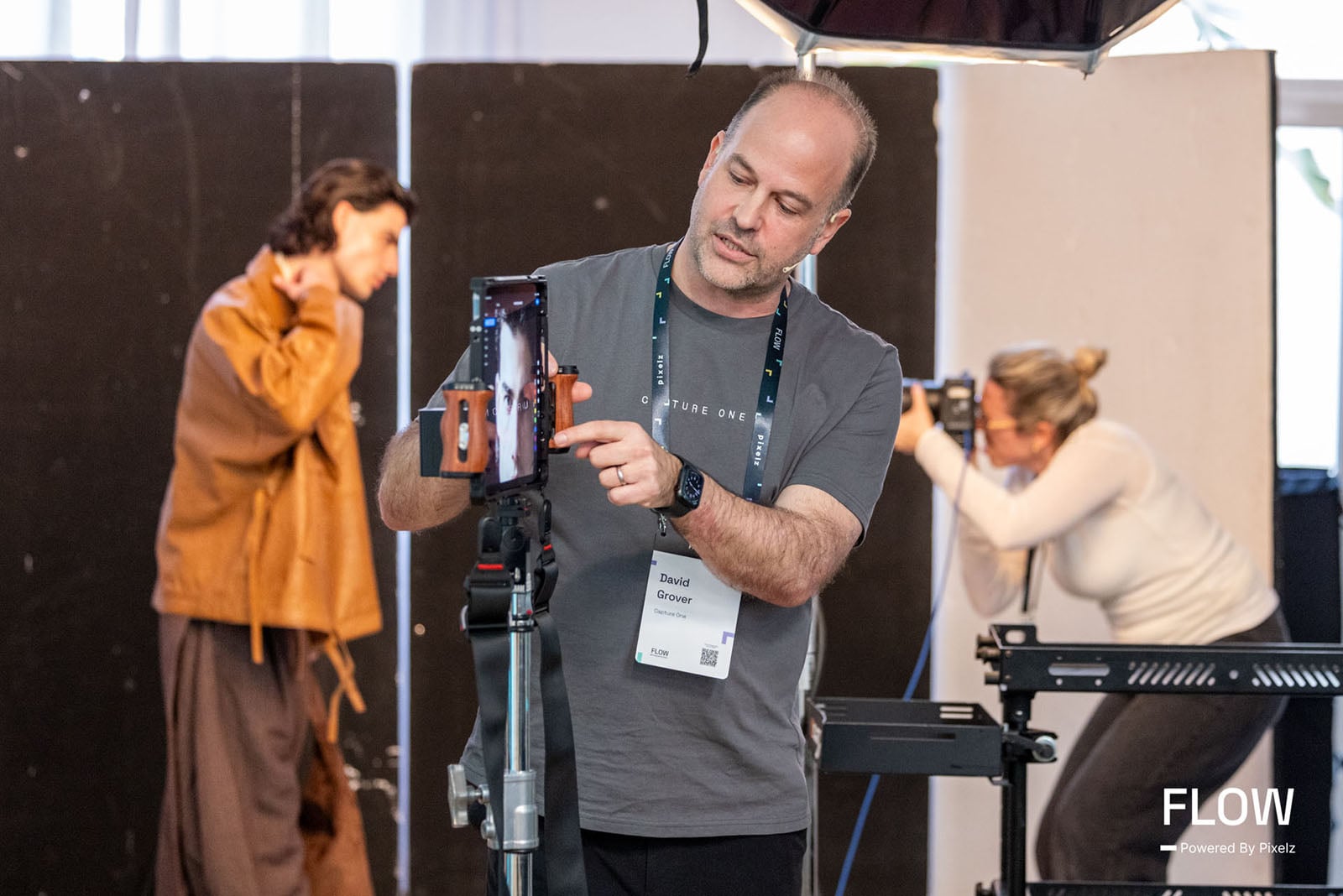
David Grover ran a live session using Capture One during an actual studio shoot, walking through how teams can collaborate in real time from capture through delivery. Seeing it happen live made the workflow feel much more tangible—less abstract, more like something you could actually implement.
Another interesting thread that came up in different sessions was how the same tools can behave very differently depending on how they’re used.
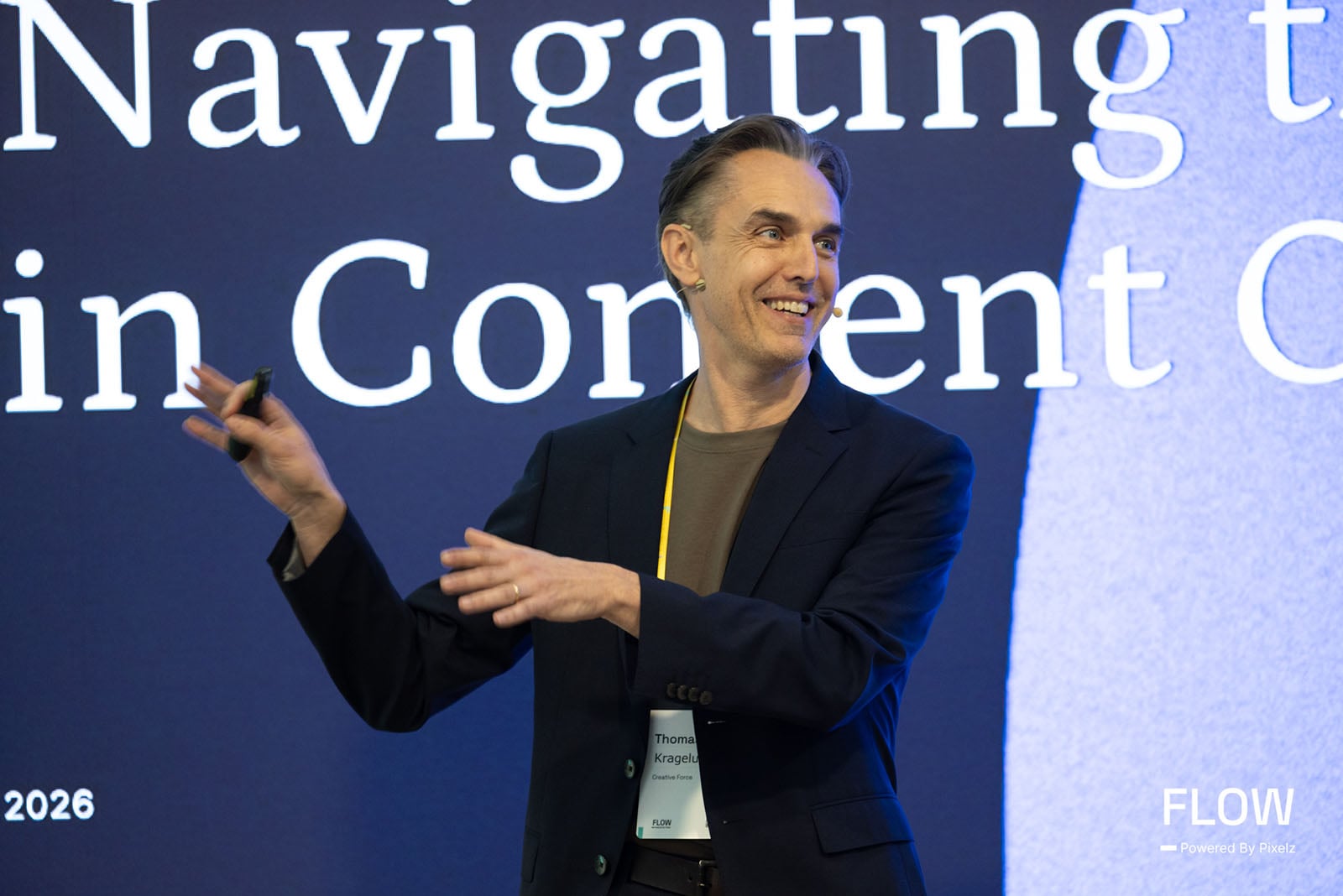
Thomas Kragelund touched on this when talking about AI. In some cases, it’s used internally for exploration or moodboarding. In others, it’s used to produce personalized content at scale. Same underlying tools, completely different outcomes depending on context and intent.
The final session of the day tied a lot of these ideas together, with Brian Guidry and Cristina Calvet sharing both the technical and creative sides of building AI-generated content.
Cristina focused on the creative direction side of things—why art direction still matters, and how important it is to have creatives involved when generating AI content. Without that input, outputs can easily drift toward something generic or disconnected from the brand.
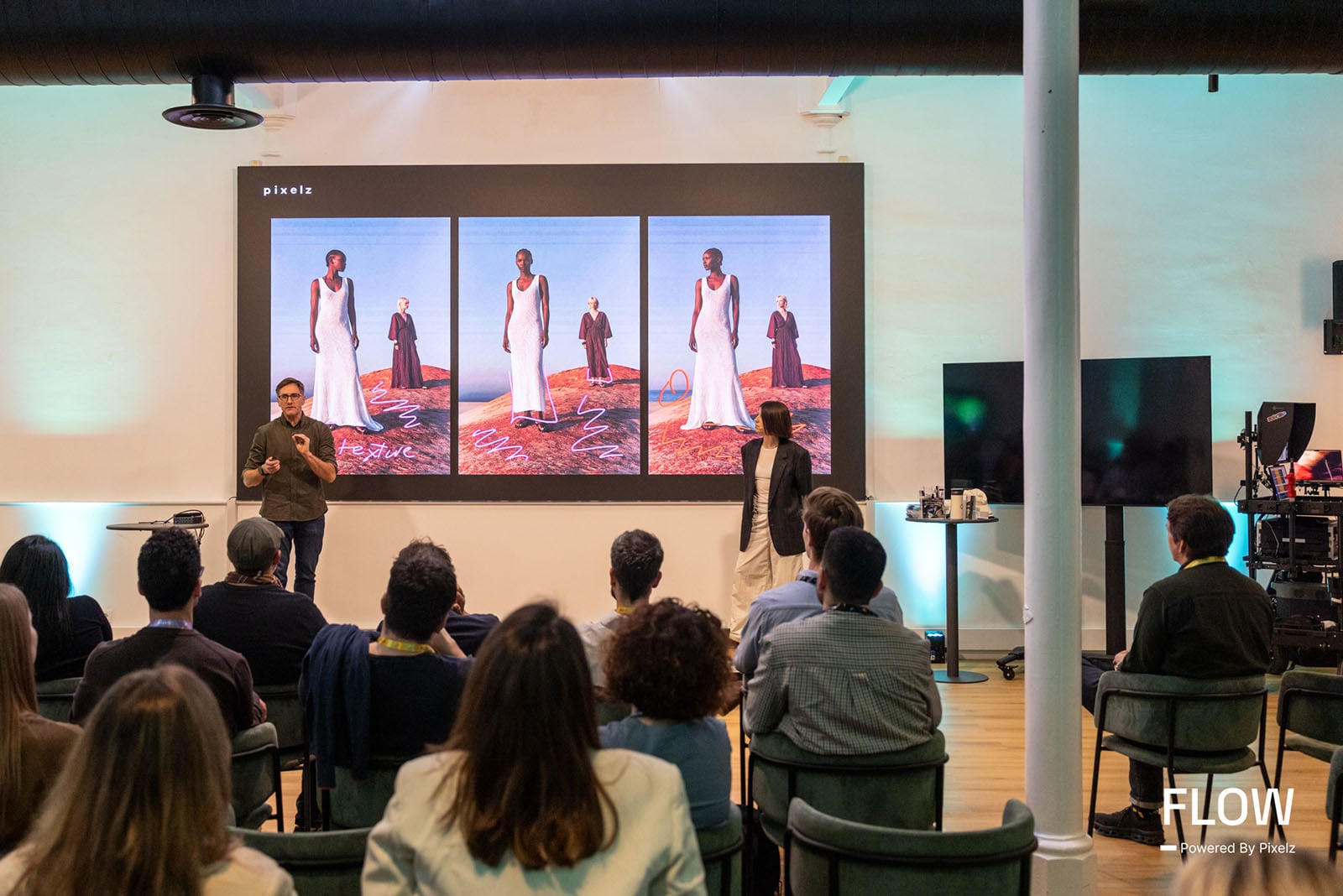
Brian took the other side of it, looking at how workflows are actually built. How tools are selected, how processes are structured, and how hybrid setups can support both control and scalability.
Together, their session made a clear point: creating AI-generated content at scale isn’t just a technical exercise. It’s a balance between creative intent and operational structure. If one is missing, the output suffers.
By the end of the day, a few things felt consistent across almost every conversation.
AI is clearly influencing how teams think about speed, volume, and cost. Workflows are becoming more structured. Post-production is playing a bigger role. And teams are experimenting with new ways of organizing themselves to keep up with demand.
But underneath all of that, the fundamentals haven’t really changed.
Intent still matters. Vision still matters. And the ability to connect people, process, and tools in a coherent way is what ultimately determines the quality of the output.
FLOW:Barcelona wasn’t about finding one answer. It was more like a snapshot of where things stand right now—how different teams are thinking, what they’re trying, and how they’re adapting in real time.