
Most people know Pixelz from our e-commerce image editing and post-production platform, FLOW events, or maybe our very active LinkedIn. But we've got a not-so-secret side project: our Instagram.
It's where we celebrate the photographers, stylists, creative teams, and image-makers behind some of the most compelling fashion and editorial photography in the industry.
But sometimes, these creatives exist only within the grid — their work shared, liked, and admired, while the stories, techniques, and creative processes behind those images remain untold.
Off the Grid is our way of changing that.
In this editorial photography interview series, we sit down with photographers across the fashion industry to explore their careers, creative processes, approach to image-making, and perspectives on how photography continues to evolve.
Our latest conversation is with Omri Rosengart, a Paris-based fashion and editorial photographer whose work blends analog photography, thoughtful post-production, and a deep appreciation for the craft and history of fashion imagery.
But unlike many photographers, his story didn't begin with a childhood camera or a plan to work in fashion photography.
It came into focus gradually.

Finding Photography Along the Way
Not every fashion photographer grows up with a camera in their hands.
For Omri Rosengart, photography came into focus gradually.
Before stepping behind the camera, he had already spent years in creative environments — working in nightlife and modeling for nearly a decade. Fashion sets were familiar territory. Photography was already part of his world; he just hadn't considered it his own craft yet.
That started to change during a trip to Milan. Omri brought along pieces from a small clothing project and began photographing models around the city. But the real lightbulb moment came when he got home and opened Photoshop.
"For the first time, I could sit for hours and enjoy it."
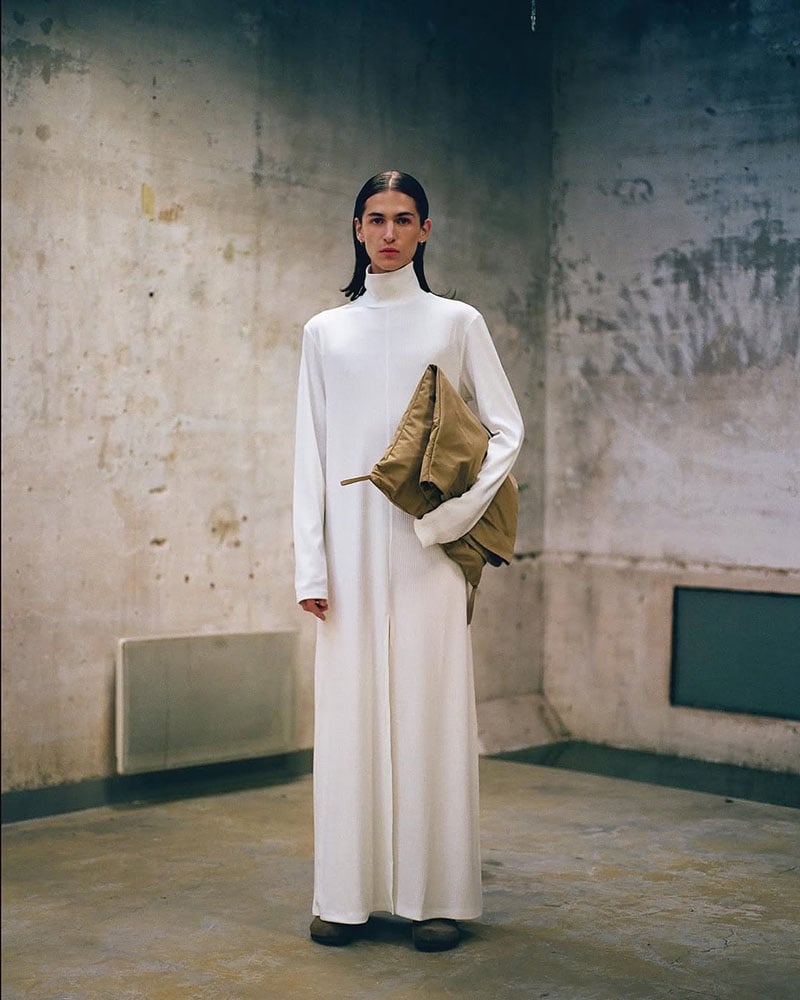
Suddenly, the years around fashion, aesthetics, models, and creative sets started to look a little different. Maybe photography hadn't appeared out of nowhere after all.
From there, curiosity became commitment. He kept shooting, spent a couple of years assisting other photographers, and eventually heard the words that confirmed he was ready: "Nah bro, you're ready. You're not an assistant anymore."
Then came Paris.
For Omri, it was the place to take photography seriously. Surrounded by fashion houses, museums, architecture, photography, and centuries of visual culture, he saw it as somewhere he could really learn the craft — not just how to take a good photograph, but the history and references behind one.
"Paris is a place I can become a master at this."
Photography may have found Omri gradually. But once it did, he decided to go all in.
Inspiration Comes and Goes
Ask photographers where they find inspiration and you'll usually get some interesting answers.
Omri's answer is a little more candid. Sometimes you're inspired. Sometimes you're not. And that's okay.
Throughout our conversation, he returned to the idea that creative inspiration isn't something you can force. It often arrives unexpectedly: through dialogue, an exhibition, an upcoming fashion shoot, or simply noticing something while walking through the city.
One day it might be a photograph saved on Instagram. Another day it could be a conversation with a peer that completely changes how he sees a project he's been thinking about for months.
"In two hours of conversation, somebody can give you an idea that stays with you for years."
Those moments matter because, for Omri, inspiration isn't always about finding something new. Sometimes it's about understanding something that's already there.
And while social media certainly plays a role in contemporary fashion photography, some of his biggest creative breakthroughs still come from spending time with photographers, art directors, stylists, and other people who speak the same visual language.
"We can be geeks together."
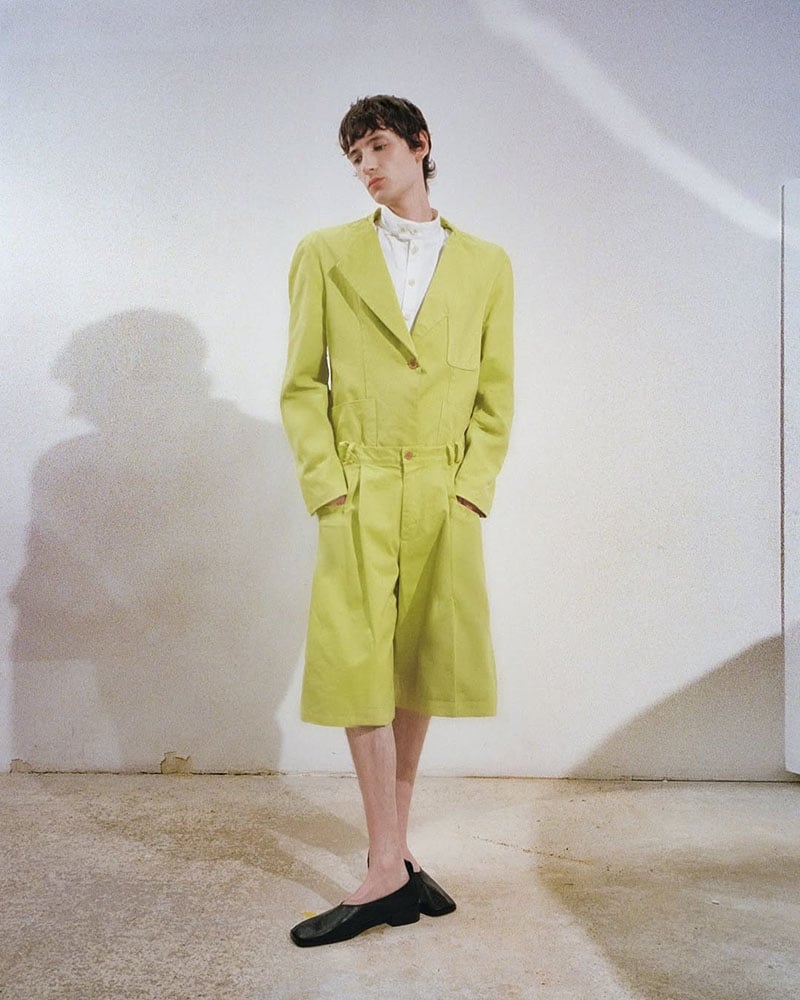
Why Craft Still Matters in Modern Photography
Omri entered photography at a time when the medium itself was rapidly changing.
Instagram was booming. Smartphone cameras were improving. Social media was changing how fashion images were made, shared, discovered, and consumed.
Rather than resisting those changes, he became interested in what separates knowing how to take a photograph from knowing the craft of photography.
"There is a difference between being a photographer online and being a photographer in real life."
For him, that difference comes back to craft.
Understanding light. Understanding composition. Understanding collaboration on set. Understanding photography history. Understanding why an image works — not just that it works.
It's a philosophy that extends throughout his creative process. Omri repeatedly described photography as something to be studied, practiced, and refined.
Not because there are strict rules, but because knowing the fundamentals gives you more freedom to break them.
"If you want to become a master of your craft, give it a go."
That mindset also influences how he approaches commercial fashion photography and client work.
Rather than seeing a creative brief as a battle between artistic vision and business objectives, he sees the process as a collaboration. The goal is to create images that work for the client while still finding opportunities to bring something unexpected to the shoot.
Sometimes that means pushing for a casting choice. Sometimes it's experimenting with lighting. Sometimes it's capturing a spontaneous frame that wasn't part of the original creative concept.
Post-Production as Part of a Photographer's Style
For Omri, the image isn't finished when the camera gets packed away.
Post-production has actually been part of his relationship with photography from the very beginning. After shooting those early images in Milan, he remembers sitting down with Photoshop and suddenly realizing hours had passed. The editing pulled him in just as much as taking the photograph itself.
Years later, that hasn't really changed.
Omri still handles much of his own post-production, partly because he sees it as an extension of his photographic style. Take the same image and give it to ten different artists, he says, and you'll get ten different results.
The difference can be subtle. How deep the shadows go. How the whites are treated. The color, contrast, tone. Maybe it's a 2% adjustment that almost nobody else notices — but the photographer does.
And over hundreds of images, those little decisions start adding up to something recognizable.
"Post-production today is a really important part... that defines your work."
It's also why handing that part of the process over isn't quite as simple as saving time. For Omri, there's a tension between wanting to build a team and knowing that some of what happens in post is deeply tied to how he wants his photography to feel.
Because post-production isn't just where an image gets cleaned up.
It's one of the places where style gets built.
The Return of Analog Fashion Photography
In recent years, Omri has found himself looking back technologically.
Medium format film. Polaroids. Instax. Hand-printed processes.
After years of working digitally, he became curious about what else photography could be. One format led to another, and slowly those experiments became a recognizable part of his work.
Today, he estimates that around 90% of what he shoots is analog or Polaroid.
And you know you've landed on something when clients start asking for it too.
"The best feeling is when a client says, 'We want you to do that Polaroid thing you do.'"
For Omri, analog isn't about rejecting digital or new technology. It's about having more ways to make an image and developing a point of view that feels like his.
That fits with something he learned at university and has carried with him ever since: the medium changes, but the message stays the same.
He compares it to music. You can listen to the same Led Zeppelin song on vinyl or an iPhone. The format changes. The song doesn't.
Photography isn't so different. Film gave way to digital. Smartphones changed who could make and share images. Now AI-generated imagery and AI-assisted workflows are expanding the medium again.
The interesting question isn't which tool wins. It's what photographers choose to do with it.
Because a Polaroid doesn't automatically make an image interesting any more than an AI tool does. The tools change, but taste, emotion, storytelling, and the person behind the image are still what give it something to say.
Leave 20% for the Unknown
Omri believes in doing your homework.
Before a shoot, he wants the references, casting, location, lighting, and creative direction thought through. The more prepared you are, the more freedom you have once you're actually on set.
But there's one thing you can't prepare for: the shot you didn't know you were going to take.
Maybe the light shifts. The wind catches the model's hair differently. Someone moves in a way that wasn't planned. Or, as Omri puts it, a bird flies through the frame at exactly the right moment.
"You always need to leave 20% for the unknown."
That 20% is where things can get interesting.
You can arrive with a perfectly planned concept, but photography is still happening in real time. For Omri, the job is to build enough structure that the shoot works, while staying open enough to notice when something better appears.
It's a philosophy that feels pretty fitting for his career too.
Omri didn't grow up knowing he would become a fashion photographer. He spent years modeling and working around fashion and creative sets before eventually picking up a camera himself. Then came Photoshop, assisting, studying, experimenting, and eventually moving to Paris to take the craft further.
There was a plan, but there was also plenty of room for the unknown.
And somewhere in that 20%, Omri became a photographer.
If you'd like to keep up with Omri's latest work, follow him on Instagram and his portfolio.
And if you'd like to discover more perspectives from the photographers and creative teams shaping fashion imagery today, follow Pixelz's Off the Grid series for more conversations about editorial photography, creative production, post-production, and the evolving craft behind the image.