
But they’re not just mixing things up for the sake of it. They’re bringing more taste, curation, and thoughtfulness into category pages and PDPs, rethinking how products are presented and how customers experience them. It’s a shift we explore in more detail in our annual E-commerce Visual Trend Report (EVTR).
One thing we probably wouldn’t have expected to see on a PDP years ago, though, is editorial imagery.
Traditionally, those images had a different home. They belonged in fashion magazines, campaigns, lookbooks, and in-store displays, while PDPs were reserved for clean, functional product photography.
So, what happened?
We’re looking at why editorial imagery is showing up on product pages, what it brings to the shopping experience, and what it means for the brands producing it.
What Does Editorial Imagery Look Like on a PDP?
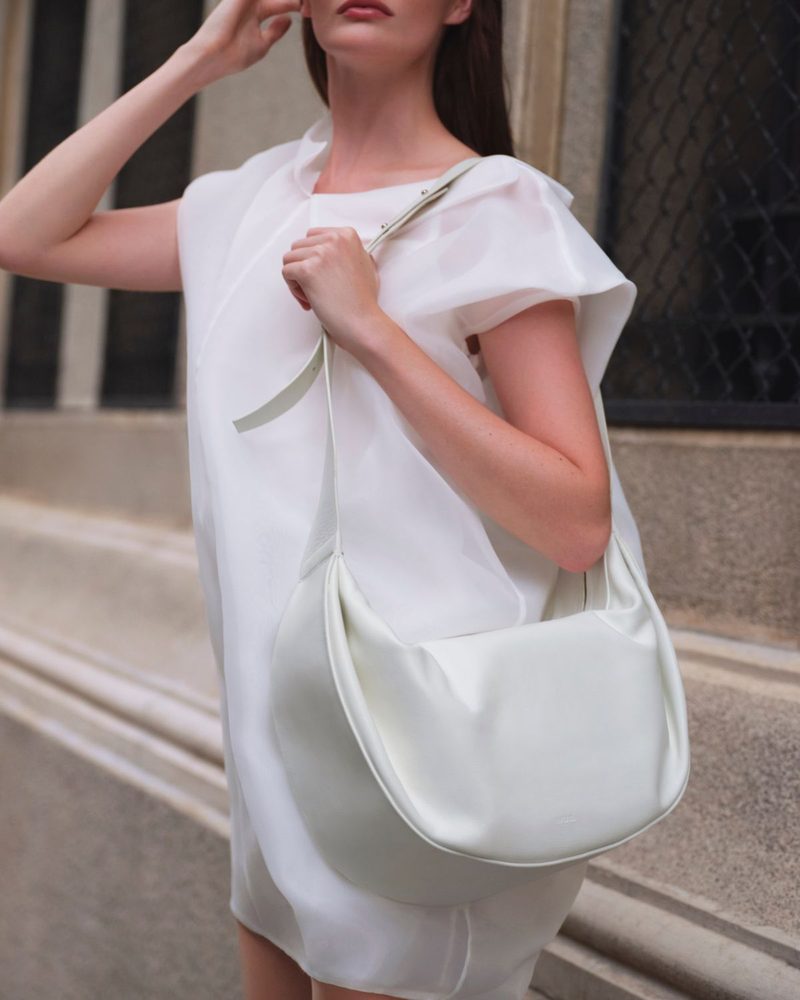
Editorial imagery on a PDP can take many forms, from campaign photography and on-location lifestyle shots to styled still lifes and more creative product compositions. Essentially, it’s imagery that goes beyond showing the product against a standard background and brings in a little more storytelling.
An image that was once created to build brand awareness in a magazine or campaign is now sitting just a few clicks away from the checkout. And that changes its purpose quite a bit.
Editorial images on PDPs aren’t just there to look nice. They’re now part of the product information shoppers use to make decisions. They can offer styling inspiration, communicate the feel of a collection, or show a product in a context that traditional e-commerce photography can’t quite capture.
Of course, this doesn’t mean the standard e-commerce image is going anywhere. Product accuracy, consistency, and clear details are still essential. The interesting part is how brands are finding ways for the two types of imagery to work together, rather than choosing one over the other.
Why Has This Shift Been Building for Years?
As we mentioned earlier, editorial imagery on PDPs isn’t exactly a new phenomenon. In fact, we’ve been watching product pages become more diverse for quite some time. Back in 2021, Pixelz launched its Editorial Retouching service as brands began bringing more creative, campaign-style imagery into their everyday e-commerce content.
And it’s only become more relevant since.
Part of this comes down to competition. When shoppers have dozens of similar products to choose from, a standard set of product images can only do so much. Brands are looking for more ways to differentiate themselves, and that means bringing more of their visual identity into the shopping experience itself.
But there are a few other things at play here.
The shopping journey doesn’t always start on the PDP anymore.
A shopper might discover a product through an Instagram campaign, a TikTok video, or a beautifully styled image in their feed. By the time they reach the product page, they’ve already been introduced to a particular look and feel.
So why should that experience suddenly disappear when they’re ready to buy?
Bringing editorial imagery onto the PDP helps connect those different touchpoints, making the journey from inspiration to purchase feel a little more cohesive.
There’s also the challenge of shopping without seeing the product in person.
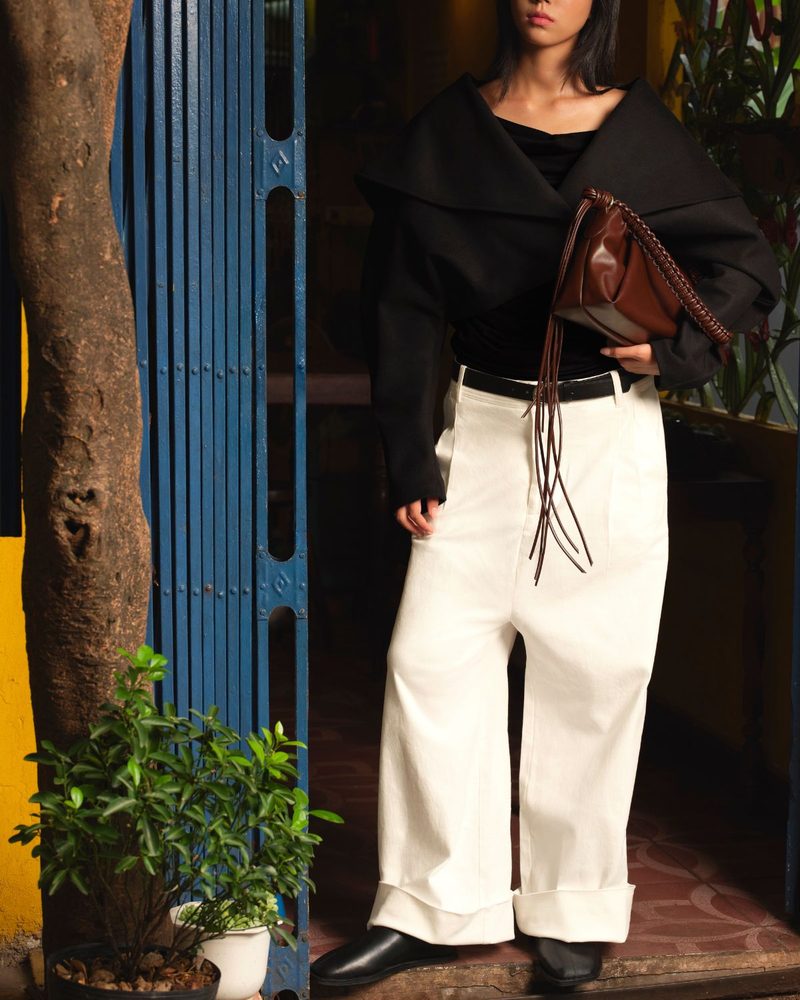
We’ve all been there. Trying to figure out how a jacket actually fits, how big a bag really is, or whether a piece of furniture will work in a room.
Traditional e-commerce photography is great for showing product details, but editorial imagery can add another layer of context. It shows products styled, worn, and used in ways that help shoppers picture them beyond the screen. That extra context can also help set expectations before a purchase, potentially reducing disappointment when the product arrives.
And finally, there’s the content brands are already creating.
Most fashion and lifestyle brands are producing campaign imagery, lookbooks, and social content alongside their standard e-commerce photography. Rather than keeping all of that content in separate channels, there’s an opportunity to make it work harder.
A campaign image doesn’t necessarily have to live and die with a seasonal campaign. It can continue telling the brand’s story on the PDP, giving existing creative assets another purpose and extending the value of the original production.
Editorial Is Becoming a Conversion Tool, Not Just a Campaign Asset
We’ve talked a lot about the creative side of bringing editorial imagery onto the PDP, but there’s a business case for it, too.
And the research is pretty interesting.
A 2024 study from Tilburg University looked at more than 36,000 shopping sessions to understand how contextual product imagery influences purchasing behavior. On one retail website, products presented with contextual imagery saw a 13.16% conversion rate, compared to just 2.46% for products with non-contextual imagery.
Of course, that doesn’t mean adding editorial photography to every product page will suddenly multiply conversions. The same study found that results varied significantly depending on the platform.
Another A/B test published by ONTRACK Digital found that placing lifestyle imagery first on product and collection pages increased overall conversion by 6.15%, with an even greater lift among returning customers.
So, what’s the takeaway?
Editorial imagery is no longer something brands necessarily need to measure purely through campaign reach, engagement, or brand awareness. When that content makes its way onto the PDP, it has an opportunity to contribute directly to commercial performance.
And that opens up another conversation about how we measure its value.
Rather than looking at editorial photography solely as a campaign expense, brands can start evaluating how those images perform on product pages, tracking conversion rates, add-to-cart rates, and engagement alongside their traditional e-commerce imagery.
After all, if the PDP is becoming a more creative space, it makes sense that we’re also rethinking what that creativity can deliver.
The Catch: Editorial Is Harder to Produce at Scale
E-commerce retouching is built for volume. Every image usually follows the same or very similar spec: same crop, same background, same alignment. Editorial images are different, and that creates three production problems when they move onto the PDP.
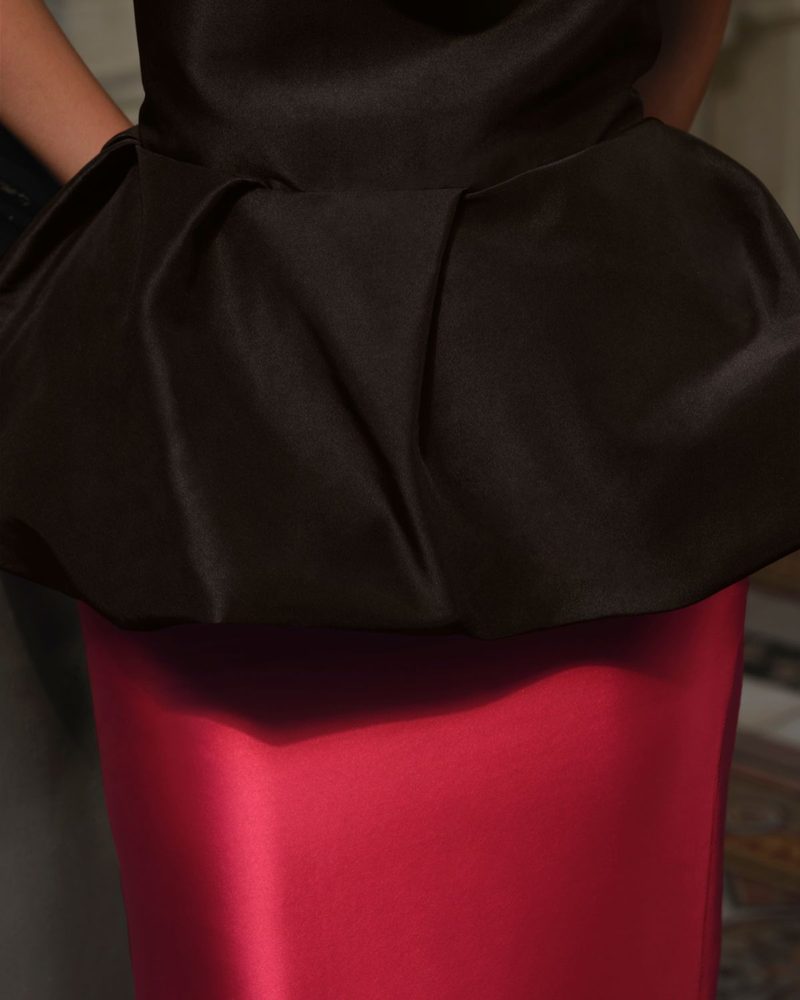
Every image is a creative call. Editorial retouching involves skin and model work, compositing, shaping, and mood-driven color. There’s no single template, so the retoucher has to understand the brand’s look, not just a checklist.
Feedback loops get long. Art directors, photographers, and brand teams all weigh in. Without a clear proofing process, rounds of markups pile up in email threads and versions get lost.
Timelines can be unforgiving. Campaign retouching often runs on a weeks-long schedule. PDP content has to go live with the product. Brands that want editorial on the product page need campaign-level quality at something closer to e-commerce speed.
How to Start Adding Editorial Images to Your PDPs
- Audit what you already have. List recent campaign, lookbook, and social shoots. Many brands find they own more PDP-ready editorial images than they realized.
- Pick a pilot category. Start with high-traffic products where styling or context matters most, such as apparel, footwear, jewelry, or home goods.
- Plan the gallery order. A common pattern is hero e-commerce shot first, then alternate angles, then one or two editorial images, then detail close-ups. Keep the accurate product views; editorial adds to them, it doesn’t replace them.
- Write a retouching guide for your editorial look. Document skin retouching levels, color grading, and how much product correction is allowed. This keeps images consistent across shoots and retouchers.
- Match color across both image types. If the editorial image shows a different shade than the packshot, shoppers lose trust. Color-match the product in every image.
- Test and measure. A/B test PDPs with and without editorial images. Track conversion rate, add-to-cart, and returns, then expand to the categories where it works.
How Pixelz Handles Editorial Images
Pixelz is a post-production partner for brands, retailers, and photo studios. Its Editorial Retouching service was built for exactly this shift, applying more than a decade of e-commerce workflow experience to creative, campaign-style images. It tackles the three production problems above directly.
Creative control at scale. Pixelz builds a custom workflow for each brand with a dedicated Customer Success Manager. That workflow can cover just the prep work for an in-house team, the full edit through to final, or anything in between.
Faster, clearer feedback. The Pixelz platform stores every version of an edited image, with markups and a complete revision history. Teams can agree on specifications so that every image has the same retouching steps.
Speed through a hybrid workflow. At Pixelz, AI and automation handle selected preparation and repetitive tasks, while experienced retouchers focus on the more nuanced, creative aspects of editing. This approach helps brands manage editorial imagery at scale while maintaining the creative control and consistency their visual identity requires.
Because the same platform also handles high-volume e-commerce retouching, brands can run their packshots and their editorial images through one partner. That keeps color, quality, and timelines aligned across the whole product gallery.