
LinkedIn? A past job? A shoot from years ago?
Some teams arrived together, notebooks already open. Others showed up solo and quickly found someone to talk to, which isn’t hard when everyone in the room is dealing with some version of the same challenges.
Studio managers, photographers, producers, creative technologists, and post-production teams — all part of the same ecosystem that keeps e-commerce visuals moving.
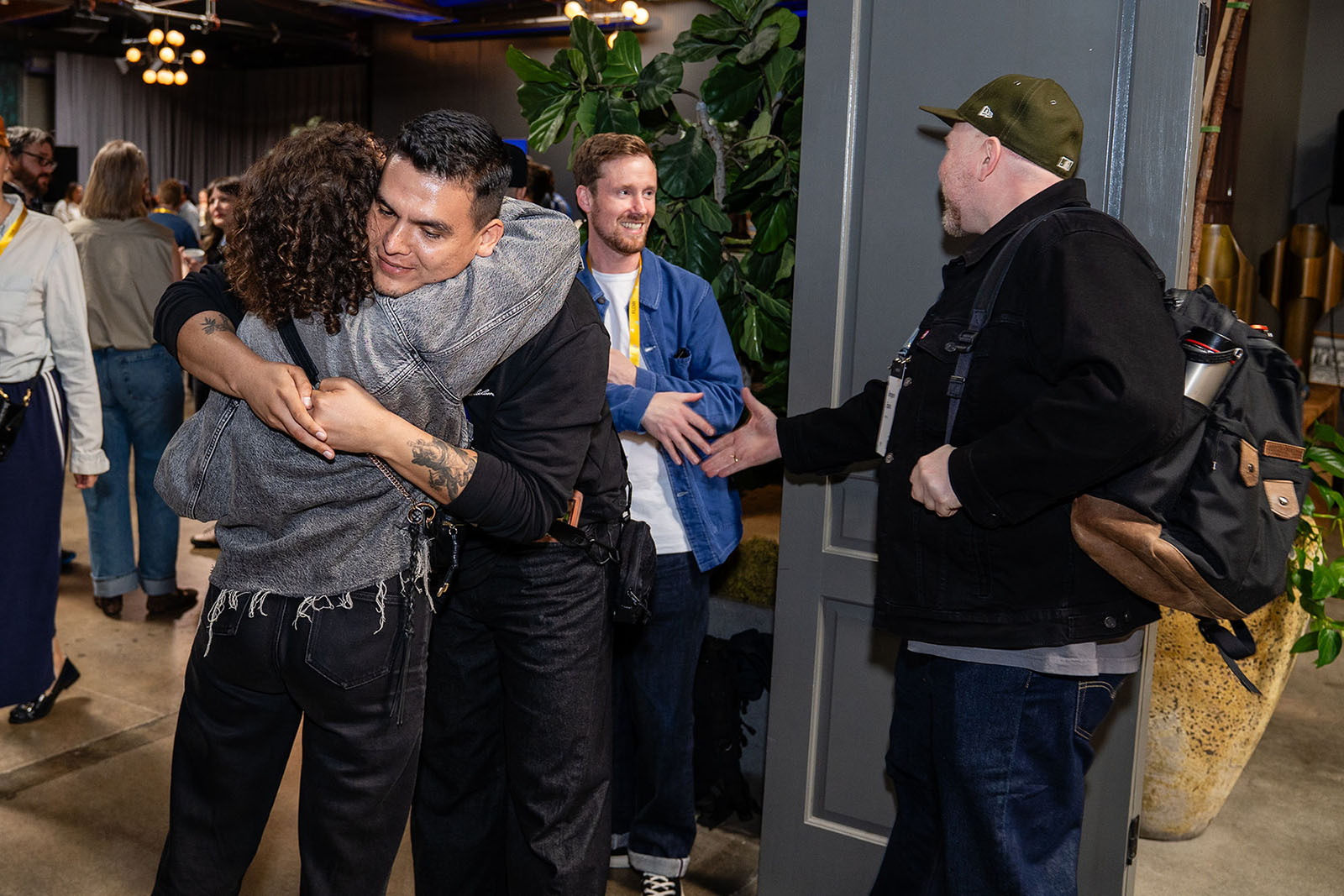
The conversations alway get going before the first session begins bringing the volume in the room up a few notches.
Because everyone there was ready to talk about the same thing: the way visual content gets made is changing and changing fast.
Throughout the day, a few themes kept coming up again and again. Creative teams are redesigning their workflows, the visual language of brands is evolving, and new technologies like AI are beginning to move from experimentation into real production environments.
The Evolution of Brand Visuals
The first session of the day, from Blake Sinclair, Director of Photography, walked through the visual evolution of Alo’s imagery over the years.
What made this session interesting wasn’t just because it showed Alo’s journey but because it also mirrored what a how the industry has shifted over the years.
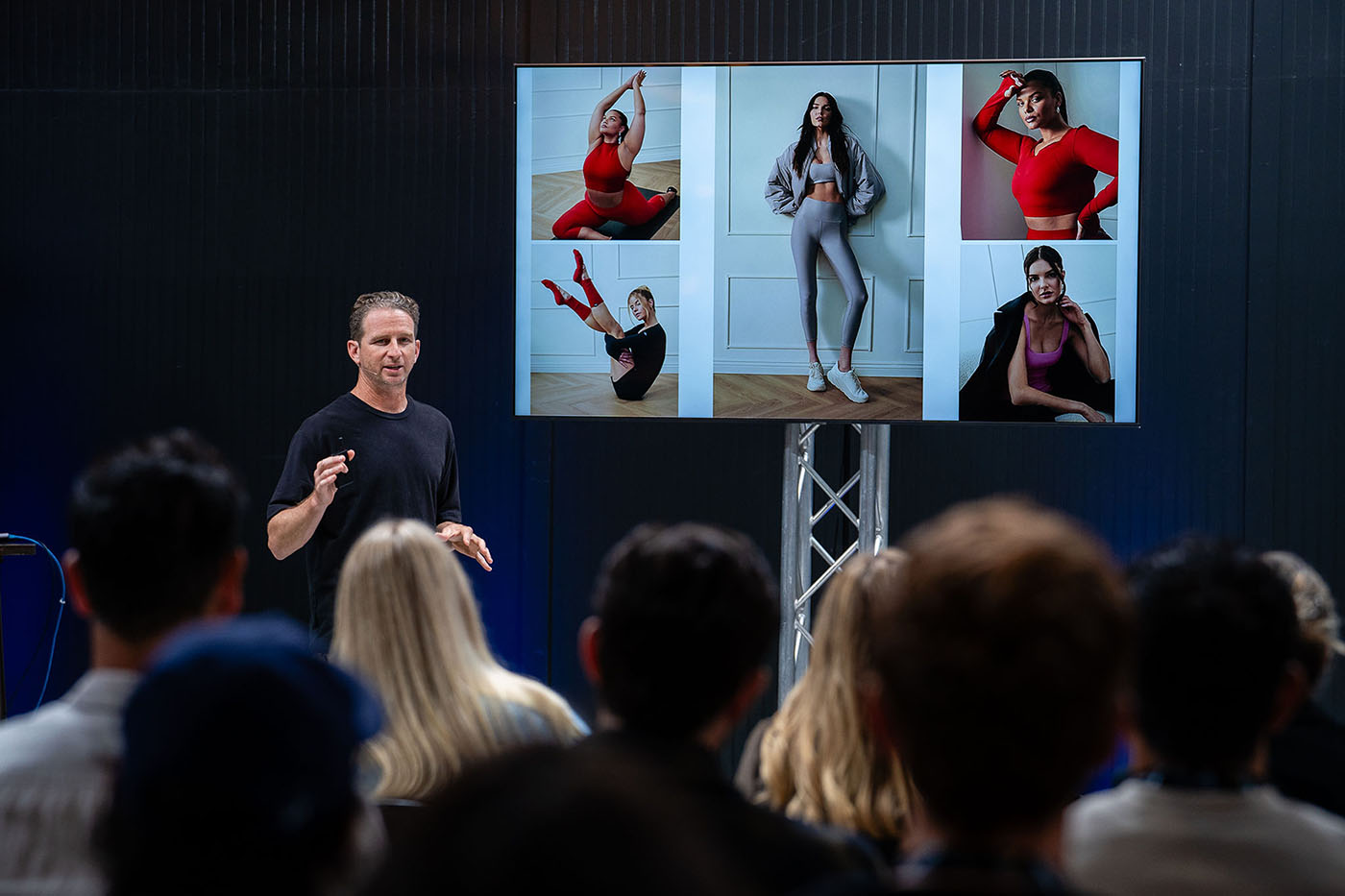
One shift that Blake touched on: User-generated content.
Turns out people love UGC. They can trust it and relate to it. And that’s started to shape how editorial imagery is produced. Instead of extremely polished visuals, many brands are leaning toward imagery that feels slightly more natural and closer in tone to the content audiences see across social platforms. Another topic that Blake spent time on: color consistency.
Keeping color consistent sounds, until you’re working across different cameras, formats, lighting setups and even mixing film and digital. Clean color references and swatching across image sets have become essential for Alo’s visuals.
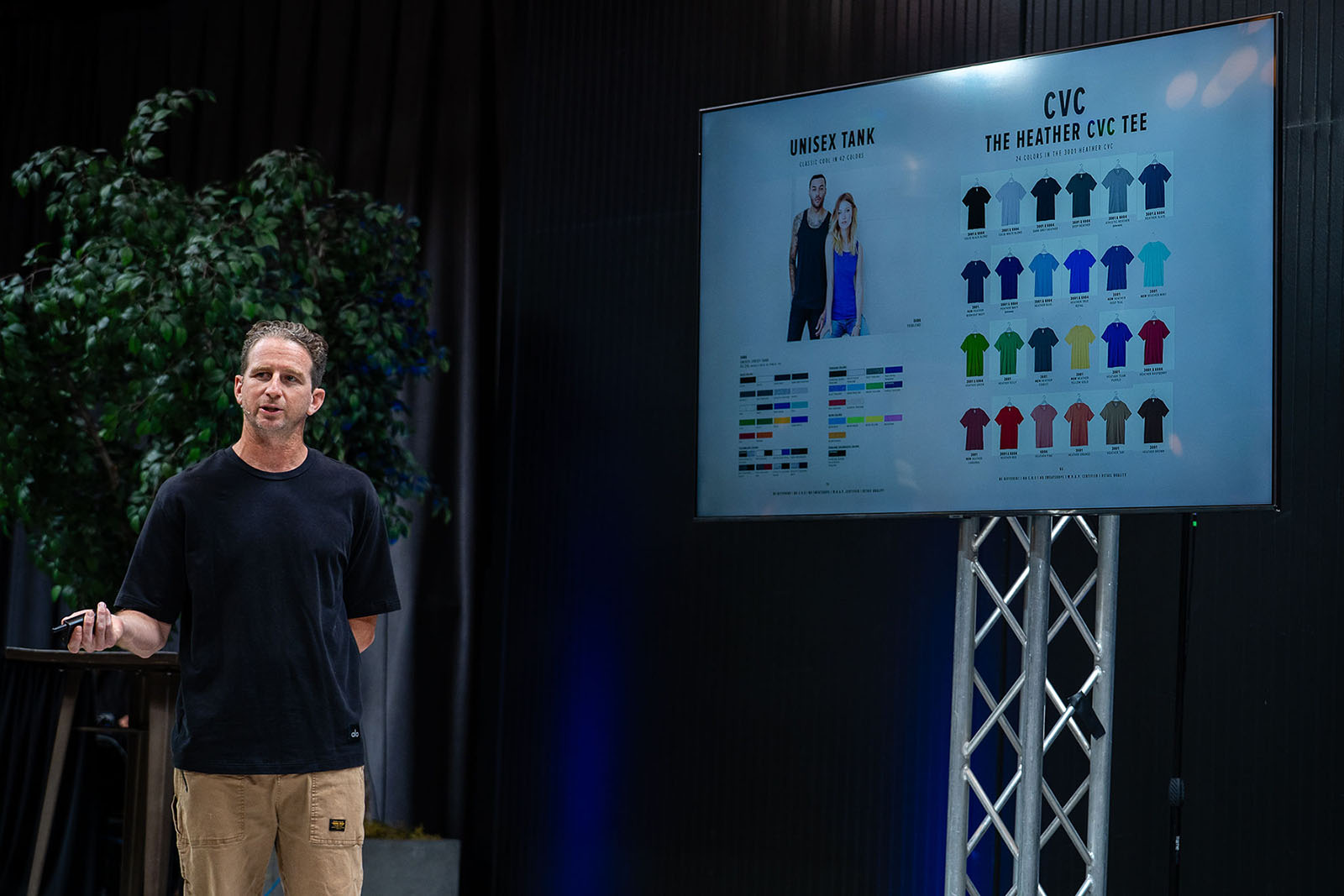
One observation that really stuck with me was about how brands (at least Alo) value imagery today.
Campaigns used to get most of the attention. The biggest budgets, the most creative energy.
But today? Customers see everything. Product pages. Social images. Fit models. Campaigns. All of it sits side by side. Which means everything is getting the level of care that used to be reserved for campaign work (or should be).
One other takeaway that seemed to resonate: sometimes the best way to prove a new creative approach works is just… to try it.
Run the shoot. Show the results. Let the work speak for itself.
Rethinking the Creative System
If visual styles are evolving, the systems behind them are changing too.
Throughout the day, the same idea kept comping up: creative teams are redesigning their workflows to keep up with the scale of modern content production.
In the session Inside the Workflow: Building a Scalable Creative Pipeline, teams from Columbia and TravisMathew shared how they’ve integrated Pixelz into their production pipelines.
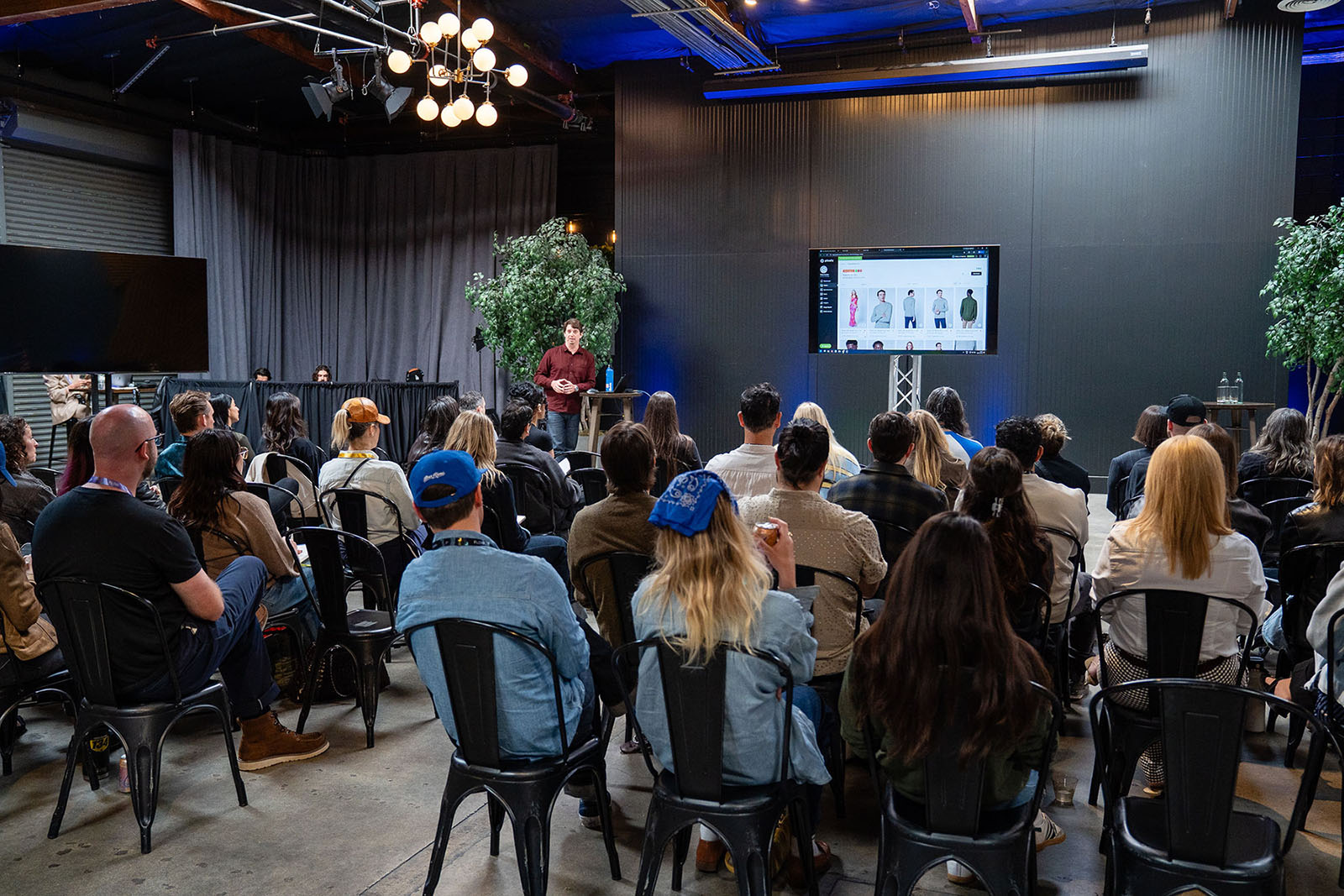
Technology isn’t there to replace creative teams.
It’s there to protect them.
When repetitive production work gets handled elsewhere, creative teams get their time back — time to focus on art direction, problem-solving, and the work that actually moves a brand forward.
That same theme popped up again during the attendee-led conversation about the studio of the future.
The discussion wasn’t just about tools. It was about structure.
Instead of focusing only on the next wave of technology, the conversation centered on bigger questions.
How should studios be organized?
How are roles changing as production grows?
And how do teams scale their output without burning out the people behind the work?
The takeaway: the future studio isn’t just about faster tools.
Tools are evolving too, of course. In Streamline Your Commercial Workflow: From Capture to Delivery, Marshall Long from Capture One walked through how studios are connecting capture, editing, and delivery into more streamlined production pipelines.
He also offered an early look at workflows connecting Capture One with Pixelz, hinting toward a future where capture and post-production systems work more closely together to support scalable content production.
Where AI Fits Into the Picture
AI came up a lot during the day but the tone of the conversation has definitely shifted.
A couple years ago it was all about experimenting. Now the question is: how does this actually work in production?
In the workshop Navigating the Future of AI in Content Operations, Thomas Kragelund from Creative Force walked through how teams are starting to move beyond pilots and early tests.
The focus wasn’t hype. It was practicality.
Where can AI actually help today?
Where do humans still need to stay in control?
And how do teams prepare for AI becoming part of everyday content production?
The general feeling in the room was pretty balanced.
AI can absolutely speed things up. But creative direction, brand judgment, and quality control still depend on people.
The closing keynote circled back to that idea.
In New Tools, Same Intent: The Creative AI Transition, Brian Giudry and Cristina Calvet, both from Pixelz, explored what it really takes to move from traditional fashion imagery into AI-powered workflows without losing creative control. Cristina, Art Director, and Brian, Partner at Pixelz, were the perfect duo to explore merging creativity with technology.
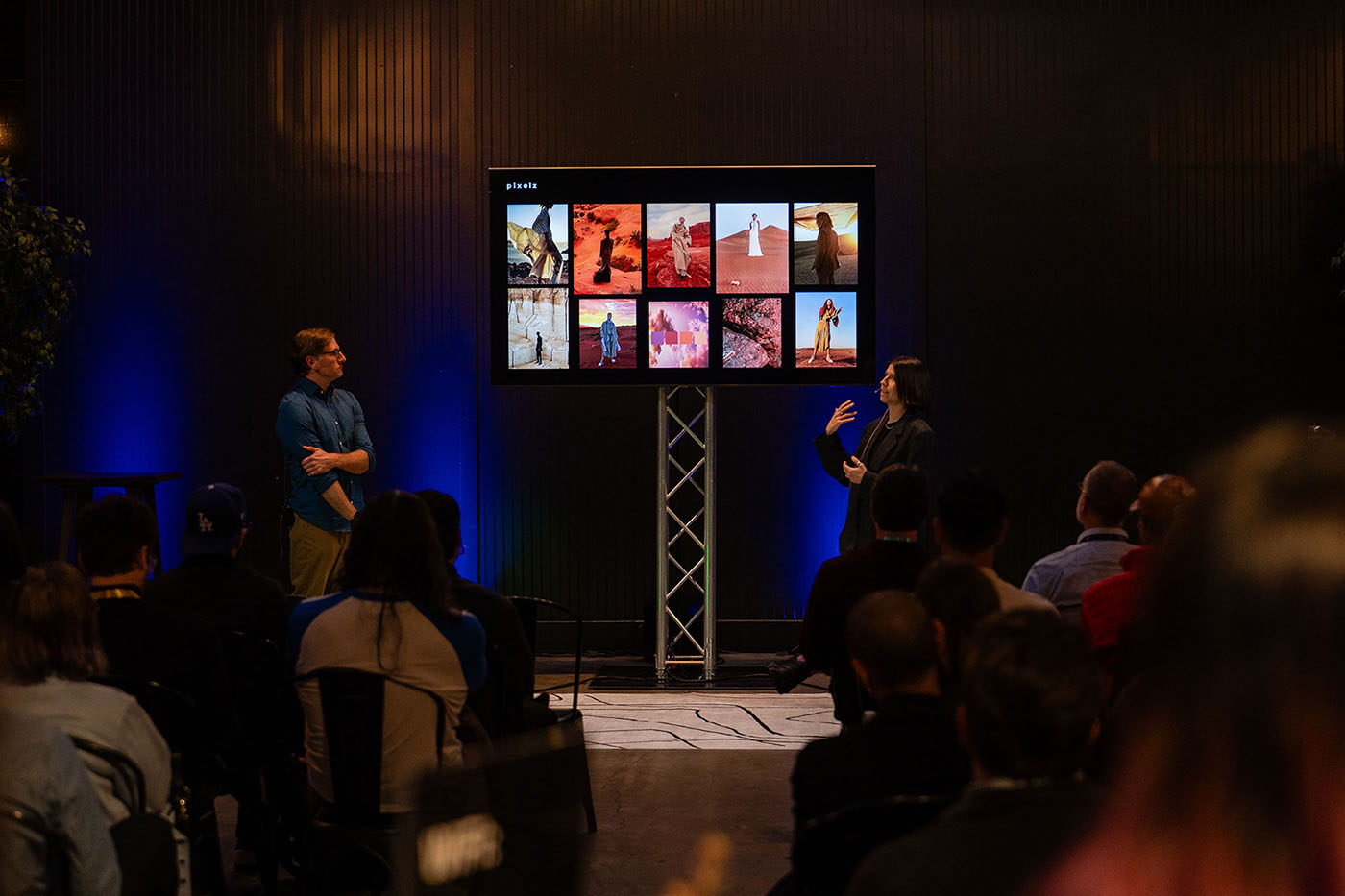
The key idea was simple:
AI doesn’t replace creative intent. It just changes how that intent gets executed.
Behind every strong visual is still the same foundation — art direction, creative judgment, and a clear vision of what the final image should be.
Looking Ahead
By the end of the day, one thing felt clear.
The e-commerce visual content industry isn’t standing still. Studios are actively experimenting with new workflows, adapting their visual styles, and figuring out how emerging technologies fit into the creative process.
Events like FLOW offer something valuable in the middle of that change: a chance for the people building this industry to step back, compare notes, and share what’s working.
And judging by the number of conversations that continued long after the final session ended, there’s still plenty to talk about.